Understanding Swell, Wind & Tide: Your Ocean Compass
Out there, where the horizon meets the endless blue, the ocean tells a story. Every ripple, every crest, every breaking wave carries information. For those of us who chase waves, understanding swell, wind, and tide isn’t just about reading a forecast app; it’s about listening to the ocean’s whispers, feeling its moods, and knowing when to paddle out and when to respectfully watch from the sand. Over my twenty years dancing with the sea, I’ve learned that these three forces are the foundational elements of any good session. They’re the language the ocean speaks, and learning it is the key to unlocking consistent stoke.
The Heartbeat of the Ocean: Decoding Swell
Swell is the true architect of waves, the deep energy that travels across vast distances. Imagine a pebble dropped in a pond, but on a colossal scale. That disturbance, often generated by distant storms, is swell. It can travel for thousands of miles, carrying immense power long before you ever see a breaking wave.
Groundswell vs. Wind Swell: A Tale of Two Energies
There are two main types of swell you’ll encounter. Groundswell is the holy grail. This is the result of powerful, distant storms churning up the ocean. It travels in organized, long-period lines, typically meaning more powerful, cleaner waves. You’ll often see these lines marching towards the shore long before they break, like an army in formation. The air often feels crisp before a good groundswell hits, a subtle scent of salt on the breeze signaling the incoming energy. When I see those deep blue lines feathering on the distant horizon, a quiet excitement builds in my chest, a feeling only a groundswell can inspire.
Wind swell, on the other hand, is born closer to shore from local winds. It’s often chaotic, short-period, and generally less powerful. Think choppy, disorganized waves that break quickly and without much juice. While not always ideal, wind swell can still provide fun, playful surf, especially for beginners. The key is to differentiate between the two, as they dictate not only wave size but also their shape and rideability.

Swell Direction & Period: The Wave’s Blueprint
The swell direction tells you where the wave energy is coming from. This is critical because every surf break is unique, shaped by the coastline, underwater reefs, and sandbanks. A west swell might light up one spot beautifully, while a south swell could make it a flat mess. Learning your local breaks means understanding what swell directions they need to truly “turn on.” There’s nothing worse than driving an hour for a session only to find the swell is hitting the coast at the wrong angle, getting blocked by a headland and leaving your chosen spot completely deflated.
Swell period, measured in seconds, is perhaps the most overlooked but crucial factor. It’s the time between successive wave crests. A higher period (e.g., 12+ seconds) means more powerful, faster-moving waves with more energy packed into them. These waves tend to “stand up” better and offer longer rides. Low-period swells (e.g., 6-8 seconds) are often weaker and mushier.
I’d stare at forecasts, only checking the swell height. I remember one day, a forecast showed 6ft, but the period was a paltry 7 seconds. I paddled out, stoked for big waves, only to find soft, crumbling lumps that barely held shape. That day, the sound of the ocean was more a sigh than a roar, teaching me that period, not just height, dictates the wave’s quality.
The Ocean’s Breath: Mastering Wind Conditions
If swell is the heart, wind is the breath, constantly shaping and reshaping the ocean’s surface. A perfect swell can be utterly ruined by bad wind, just as a moderate swell can be made magical by good wind. When the wind cuts across the face and creates challenging lateral bumps, having the right hardware under your feet becomes essential; matching your board’s configuration with heavy-drive templates from performance benchmarks like Futures Fins can give you the extra stability needed to cut through texture. I’ve been fooled more times than I care to admit by a promising swell, only to find the wind had shredded the face into unrideable chop before I adjusted my setup.
Offshore, Onshore, Cross-shore: Your Wind Compass
Understanding wind direction relative to the coastline is paramount:
- Offshore Wind: This is the surfer’s dream. Blowing from the land out to sea, offshore wind holds up the face of the wave, making it steeper, cleaner, and often creating those iconic “barreling” conditions where the lip throws over. It sculpts the wave into perfection, often making the water’s surface look like glass. The sound of an offshore wind grooming the waves is pure music to a surfer’s ears.
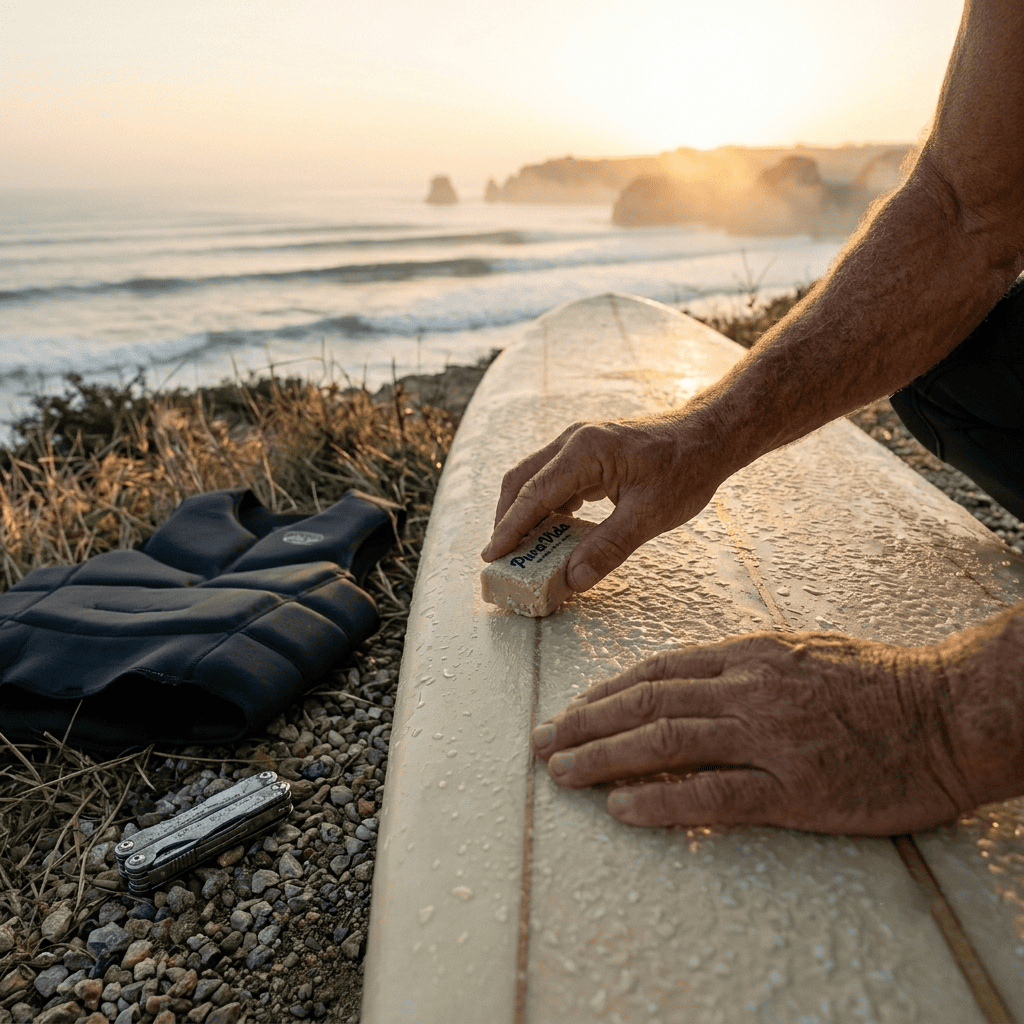
- Onshore Wind: The bane of our existence. Blowing from the sea towards the land, onshore wind chops up the waves, making them crumbly, disorganized, and difficult to ride. The water looks messy, and trying to paddle out feels like fighting an angry washing machine. The wind whips sea spray into your face, stinging your eyes, and the sound is a chaotic slosh. This is when patience is a virtue, and sometimes, it’s just better to wax your board and wait.
- Cross-shore Wind: Blowing parallel to the coast, cross-shore wind can create tricky conditions, often leading to strong lateral currents that pull you down the beach. It can also cause some sections of the wave to stand up while others crumble. Depending on the strength and exact angle, it can be manageable or just plain frustrating.
Here’s a quick reference for common wind effects:
| Wind Direction | Effect on Waves | Surfing Experience |
|---|---|---|
| Offshore (land to sea) | Clean, steep, hollow faces; smooth water surface. | Ideal, perfect for barrels and carves. |
| Onshore (sea to land) | Choppy, mushy, broken faces; messy water. | Challenging, difficult to catch and ride. |
| Cross-shore (parallel to coast) | Wobbly, sometimes clean sections; strong currents. | Manageable but requires adaptation; can create rips. |
| Light Breeze | Minimal impact, generally favorable. | Often leads to glassy conditions. |
| Strong Gusts | Disruptive, even offshore can become too strong. | Difficult, can blow you off your board. |
I remember one classic day at a beach break: a solid swell was running, but the wind was howling onshore. The waves were huge, but they were just disorganized walls of foam, impossible to catch or ride. My arms burned from paddling, the constant thrashing sound deafening, and every duck-dive felt like a desperate fight. It was a brutal reminder that size isn’t everything; quality, often dictated by wind, is what truly matters.
The Ocean’s Rhythm: Navigating Tide Cycles
Tide is the predictable, gravitational dance between the moon, sun, and Earth, causing the sea level to rise and fall. Its impact on surfing can be profound, transforming a spot from flat to firing, or vice versa.
High Tide, Low Tide & Everything In-Between
Every break has its preferred tide. High tide often means deeper water over reefs and sandbars, which can make waves softer, slower, and sometimes entirely disappear if the water is too deep. For other spots, like certain beach breaks, high tide can be perfect, providing enough water for the waves to break closer to shore without hitting the bottom too hard. The ocean at high tide often has a fuller, more expansive feel, less exposed reef or rock to worry about.
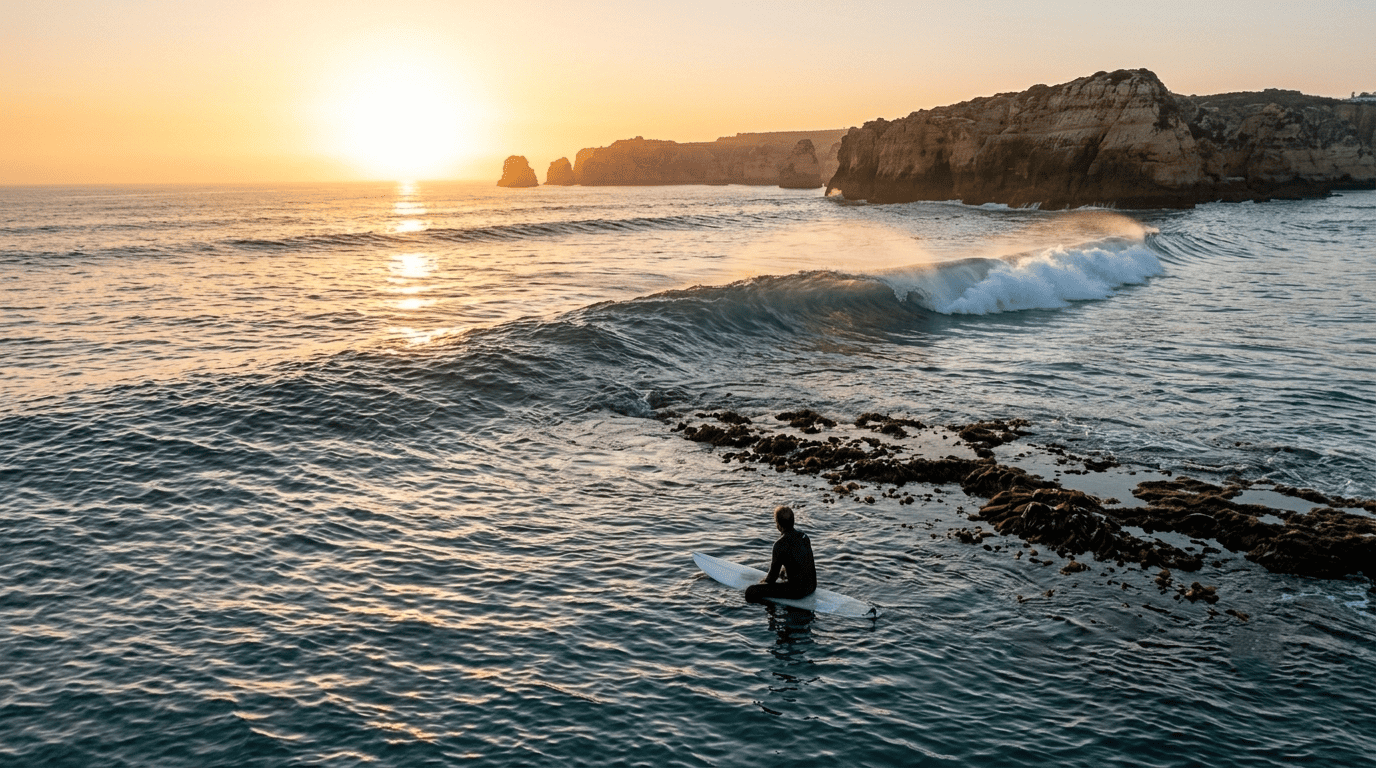
Low tide means shallower water, often making waves steeper, faster, and more powerful. Reef breaks and point breaks often come alive at low tide, as the shallow water makes the waves pitch and peel perfectly. However, low tide can also expose dangerous rocks and reefs, making it a no-go for some spots. Paddling out at low tide, you can often hear the distinct “thud” of waves breaking on shallow sand, a sound that promises power but also warns of potential peril.
The mid-tide, during the push or drain, is often a magical window. As the water moves, it can create currents that help funnel swell into certain areas, or interact with the bottom contour to create uniquely shaped waves. This transition phase is when many breaks are at their best.
Tidal Range & Currents: Unseen Forces
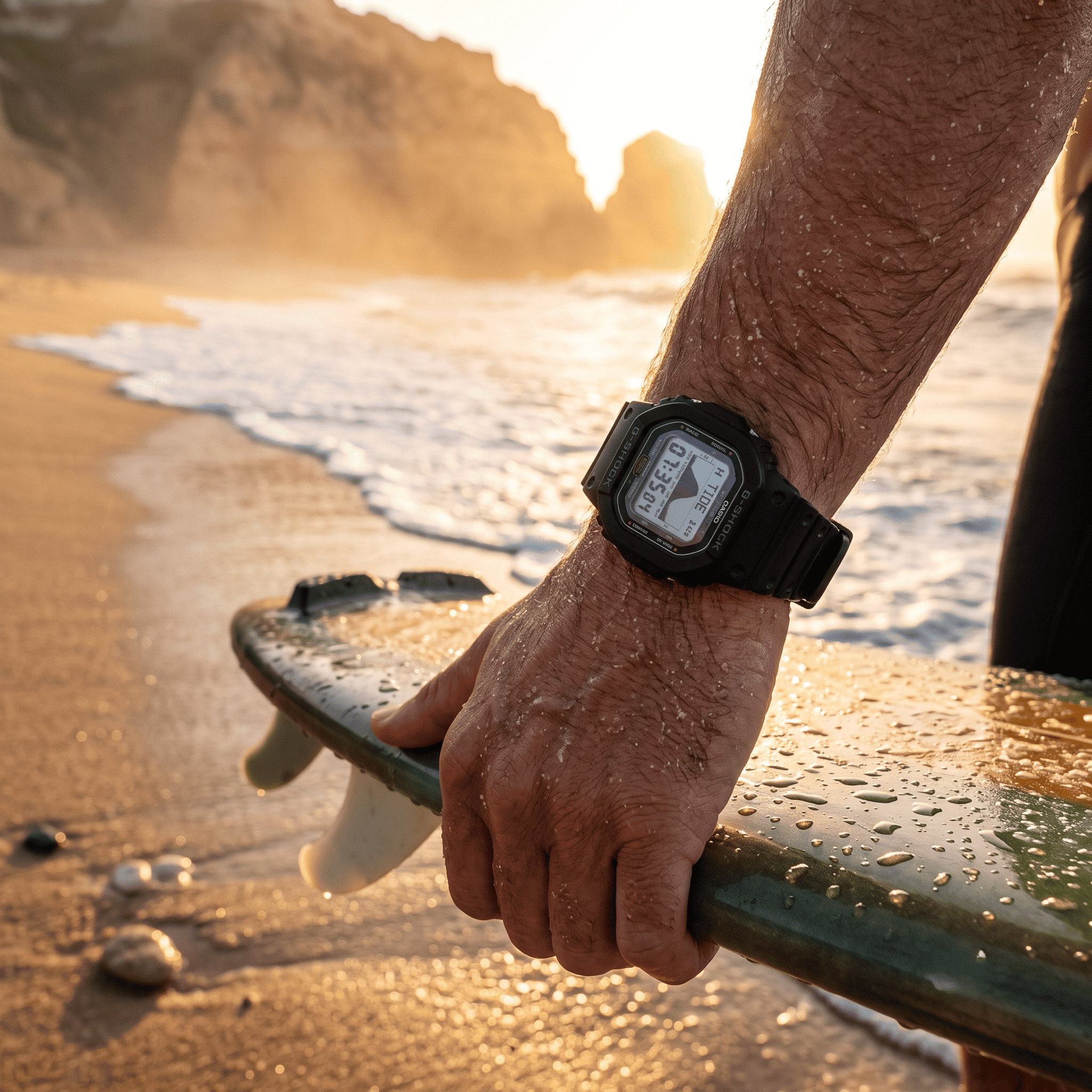
The tidal range, the difference between high and low tide, also matters. A small tidal range (neap tide) means less dramatic changes, while a large range (spring tide) can drastically alter a spot throughout the day. A strong tidal push or drain can generate powerful currents that make paddling difficult or create dangerous rips. I’ve been caught by a draining tide pushing water quickly out to sea, transforming a mellow session into a strenuous battle just to stay in the same place. The pull of the current against my board and body was an invisible force, a reminder of the ocean’s raw power.
Some breaks, especially river mouths or channels, are heavily influenced by tide-generated currents that can either make it easier to get out or pull you into precarious situations. Understanding the local tide charts and how they interact with the specific geography of your spot is crucial for safety and maximizing your wave count.
The Symphony of Forces: Swell, Wind & Tide Interplay
No single factor acts in isolation. The true art of reading the ocean lies in understanding how swell, wind, and tide dance together to create the conditions you find. A huge swell with perfect period can be a blown-out mess with onshore wind. A moderate swell with offshore wind on an incoming tide might be the session of the month. It’s a dynamic, ever-changing equation.
The Perfect Storm (or Session!)
The “perfect” session is a rare confluence: a long-period groundswell hitting from the ideal direction, light offshore winds grooming the faces, and a tide that allows the wave to break perfectly over the unique contour of the seabed. When all these elements align, the ocean truly sings. The waves peel endlessly, the water is glassy, and the only sound is the roar of the breaking wave as you fly across its face. Those moments are etched into your soul, the reason we dedicate so much to this pursuit.
Adapting to Conditions: The True Surfer’s Skill
The mark of an experienced surfer isn’t just about riding big waves; it’s about adaptability. It’s knowing when to switch boards, when to seek out a different break, or when to simply enjoy the view and wait for another day. This understanding is crucial for refining your Surf Techniques for Intermediate Surfers, allowing you to choose the right moment and approach for every wave. Sometimes, a seemingly “bad” day can become a great learning experience. Paddling out in challenging cross-shore conditions taught me how to compensate for currents and how to read a wave that’s not perfectly groomed.
Always double-check multiple forecasts. Then, arrive early and observe. Watch how the sets roll in, how the wind is actually affecting the surface, and how the tide is moving the water. The best forecast is always what you see with your own eyes, combined with the wisdom gathered from years of being in the water. Trust your gut, and respect what the ocean is showing you.
Reading the Signs: Beyond the Forecast App
While technology offers incredible insights, nothing beats direct observation and local knowledge. The real-time visual cues are your ultimate guide.
Visual Cues: Your Eyes are Your Best Tool
- Swell: Look far out to sea. Can you see organized lines marching in? How far apart are they? Are they peaking uniformly or closing out? Is the distant horizon showing larger bumps than the local waves, indicating a building swell?
- Wind: Watch the flagpoles on shore, the smoke from chimneys, or the surface of the water itself. Is it smooth (offshore/light)? Or is it rippled and chaotic (onshore)? Are there whitecaps indicating strong winds? The way the spray comes off the lip of a breaking wave is also a huge tell – if it’s being blown back, it’s offshore.
- Tide: Observe the waterline on rocks, sand, or piers. Is it receding or advancing? Are exposed rocks disappearing or becoming more prominent? Are currents visible around headlands or river mouths? The smell of the low tide, that distinctive earthy scent of exposed sand and seaweed, is a powerful indicator of the water level.
Local Knowledge & Patience: The Unwritten Rules
Strike up conversations with local surfers, but remember to be respectful. They often hold a lifetime of observations about how a particular spot works under various conditions. When I first moved to a new break, I spent weeks just watching, listening, and eventually, chatting with the older guys who’d been surfing there for decades. Their nuanced understanding of how a specific reef section came alive on a certain tide with a specific swell direction was invaluable – knowledge you can’t get from any app. They taught me patience, humility, and the importance of truly knowing a spot, rather than just riding it.
Ultimately, “understanding swell, wind, and tide” is an ongoing journey. Every day in the water is a lesson, a chance to deepen your connection with the ocean and refine your ability to read its complex, beautiful language.
Frequently Asked Questions About Ocean Conditions
What’s the ideal swell period for surfing?
Generally, a longer swell period (10-18+ seconds) is considered ideal for quality surfing. This indicates powerful, organized groundswell that produces cleaner, more rideable waves with more “push.” Shorter periods (under 8 seconds) usually mean weaker, mushier wind swell.
How much does wind really affect waves?
Wind is a huge factor, often as important as swell height. Offshore winds (blowing from land to sea) groom and steepen waves, making them cleaner and more powerful. Onshore winds (sea to land) chop waves up, making them disorganized and difficult to ride. Even a perfect swell can be ruined by strong onshore winds.
Can I still surf at very low or very high tide?
It depends entirely on the specific surf break. Some breaks work best at low tide, becoming faster and more powerful, but also potentially exposing dangerous rocks. Others prefer high tide, providing enough water depth to break cleanly. Many breaks are best on a mid-tide, either pushing in or draining out. Always check local conditions and understand how the tide affects your chosen spot.
What’s the difference between a wave and a swell?
Swell is the energy that travels through the water, generated by distant storms. A wave is the physical manifestation of that energy breaking when it encounters shallow water. So, swell is the cause, and a breaking wave is the effect you surf. Many swells can contribute to the waves you see on the surface.
How do I know if the tide is pushing or draining?
You can check a tide chart for your specific location, which will show high and low tide times. Visually, if the water level is rising on rocks or the beach, the tide is pushing (incoming). If the water level is falling, it’s draining (outgoing). Also, pay attention to currents; an outgoing tide often creates strong rips pulling water away from shore, especially near river mouths or channels.