
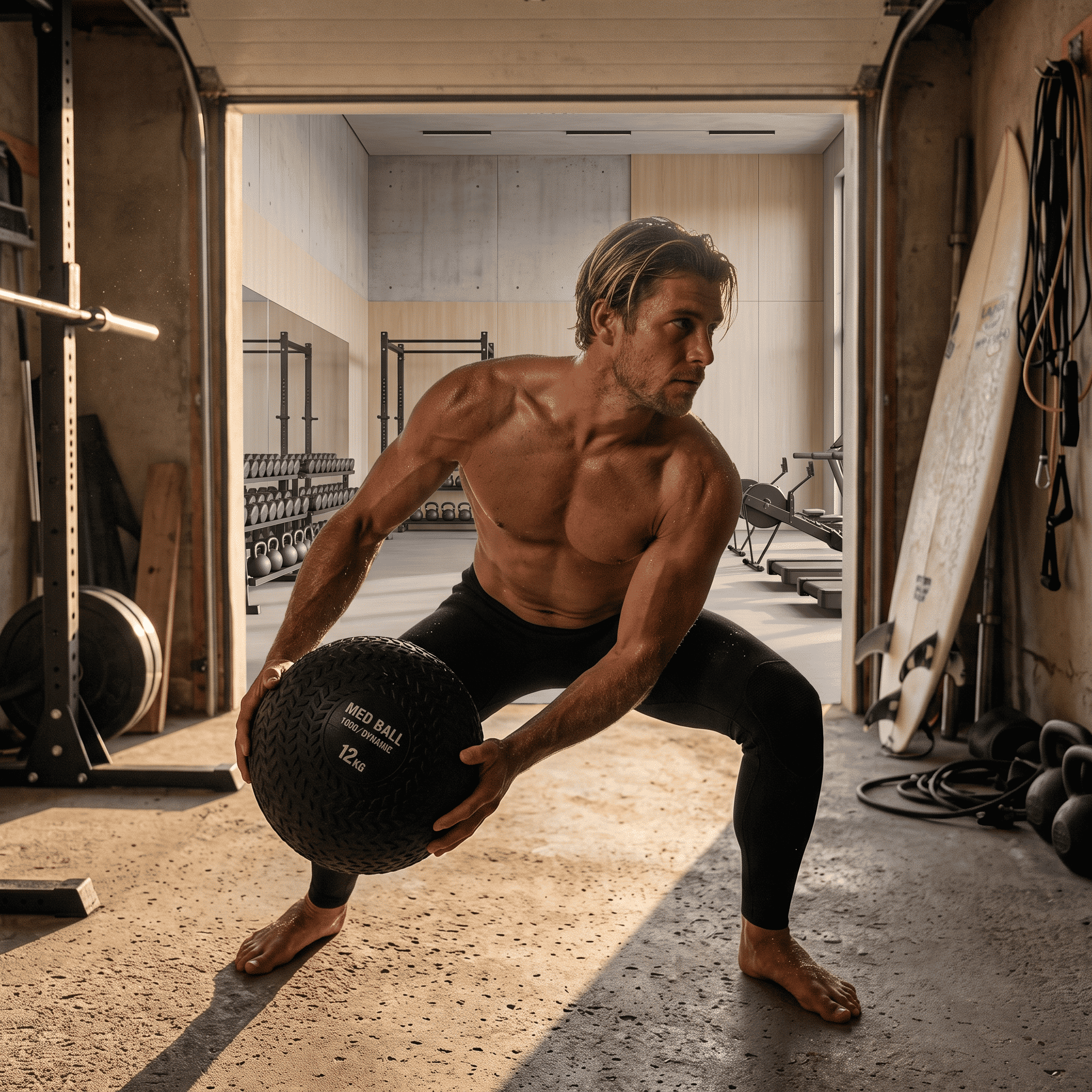
The Unseen Prep: Why Your Surf Fitness Routine is Your Secret Weapon
There’s a rhythm to the ocean, a raw power that demands more than just a good board and decent waves. When I was a grom, all I wanted was to catch waves. I thought it was all about timing and a bit of luck. But after two decades of feeling the salt on my skin and the pull of the tide, I’ve learned that the true secret to unlocking your potential in the lineup isn’t just in your Surf Techniques for Intermediate Surfers; it’s in the unseen grind, the dedication to a solid surf fitness routine off the water.
It’s about building a body that can not only ride the wave but truly dance with it, resilient against the ocean’s unpredictable moods.
Many folks see surfers effortlessly gliding across the face, making it look easy. What they don’t see are the miles paddled, the countless duck-dives through the impact zone, the explosive pop-ups, and the relentless core engagement required to stay balanced on a moving liquid canvas. Trust me, I’ve felt the lactic acid burn in my shoulders and the jelly-legs after a long session at J-Bay, and it’s a rude awakening to realize your stoke outruns your stamina.
This isn’t just about getting strong; it’s about getting strong – functional surf fitness that translates directly to more waves, longer rides, and less time nursing injuries. It’s the difference between merely staying afloat and truly flowing with the ocean’s energy, transforming fear into exhilaration.
Beyond the Board: Understanding Surf-Specific Demands
Surfing is a full-body workout disguised as pure joy. It taxes almost every major muscle group in a unique, dynamic way. Think about it: from the moment you hit the water, your body is engaged. There’s the powerful, repetitive motion of paddling, the explosive, coordinated movement of the pop-up, the constant micro-adjustments for balance, and the sustained leg strength needed to carve and control the board. And let’s not forget the anaerobic bursts when you’re caught inside, fighting currents, or duck-diving a monster set.
- Paddling Power: The Endless Grind: This is where most sessions are won or lost. Your lats, shoulders, and triceps are constantly engaged, propelled by your core. Without a strong paddle, you’ll miss waves, get stuck in the wrong spots, and tire out long before the best sets roll through.
- Pop-Up Precision: From Flat to Flying: That rapid transition from lying prone to standing requires explosive strength from your chest, shoulders, core, and legs, coupled with razor-sharp agility and coordination. A sluggish pop-up often ends in a pearler or a missed section.
- Core Stability: The Ocean’s Dance: Your core is the anchor for everything you do on a board. It connects your upper and lower body, stabilizing you through turns, maintaining balance, and generating power for maneuvers. The ocean doesn’t care if you have a six-pack; it cares if your core can absorb and transfer energy.
- Leg Drive & Balance: Carving Liquid: Strong, agile legs are crucial for generating speed, executing turns, and staying planted through choppy sections. Your quads, hamstrings, and glutes work overtime, supported by smaller stabilizing muscles in your ankles and feet.
- Endurance & Recovery: Long Sessions: Surfing isn’t just about explosive power; it’s about sustained effort, sometimes for hours. Cardiovascular endurance allows you to paddle longer, recover quicker between waves, and stay mentally sharp when fatigue sets in. I’ve been in sessions where the wind shifted, and I found myself paddling against a current for an hour just to get back to the peak. Stamina isn’t a luxury; it’s a necessity.
The Ocean’s Gym: Core Components of an Effective Surf Fitness Routine
Building a solid surf fitness routine is like waxing your board – it’s essential prep for the ride ahead. It’s not about bench-pressing a ton; it’s about functional strength, mobility, and endurance that directly translates to more time in the green room and less time frustrated on the shoulder. My own routine has evolved over the years, learning from countless hours in the water and a few too many pulled muscles. It’s about respecting your body as much as you respect the wave.
1. The Paddle Furnace: Building Endless Arm & Shoulder Stamina
This is where the rubber meets the road, or rather, the chest meets the board. Paddling isn’t just about getting out; it’s about positioning, chasing down waves, and escaping trouble. I’ve seen too many groms burn out after 20 minutes because their shoulders were screaming. Developing a strong, enduring paddle stroke is paramount.
- Prone Paddling Drills: Simulating the actual paddle stroke on a stability ball or even on a yoga mat. Focus on a long, strong stroke with good rotation. When I tested different techniques, I found emphasizing the ‘catch’ and ‘pull’ phase of the stroke, as if dragging a heavy weight through the water, made a huge difference.
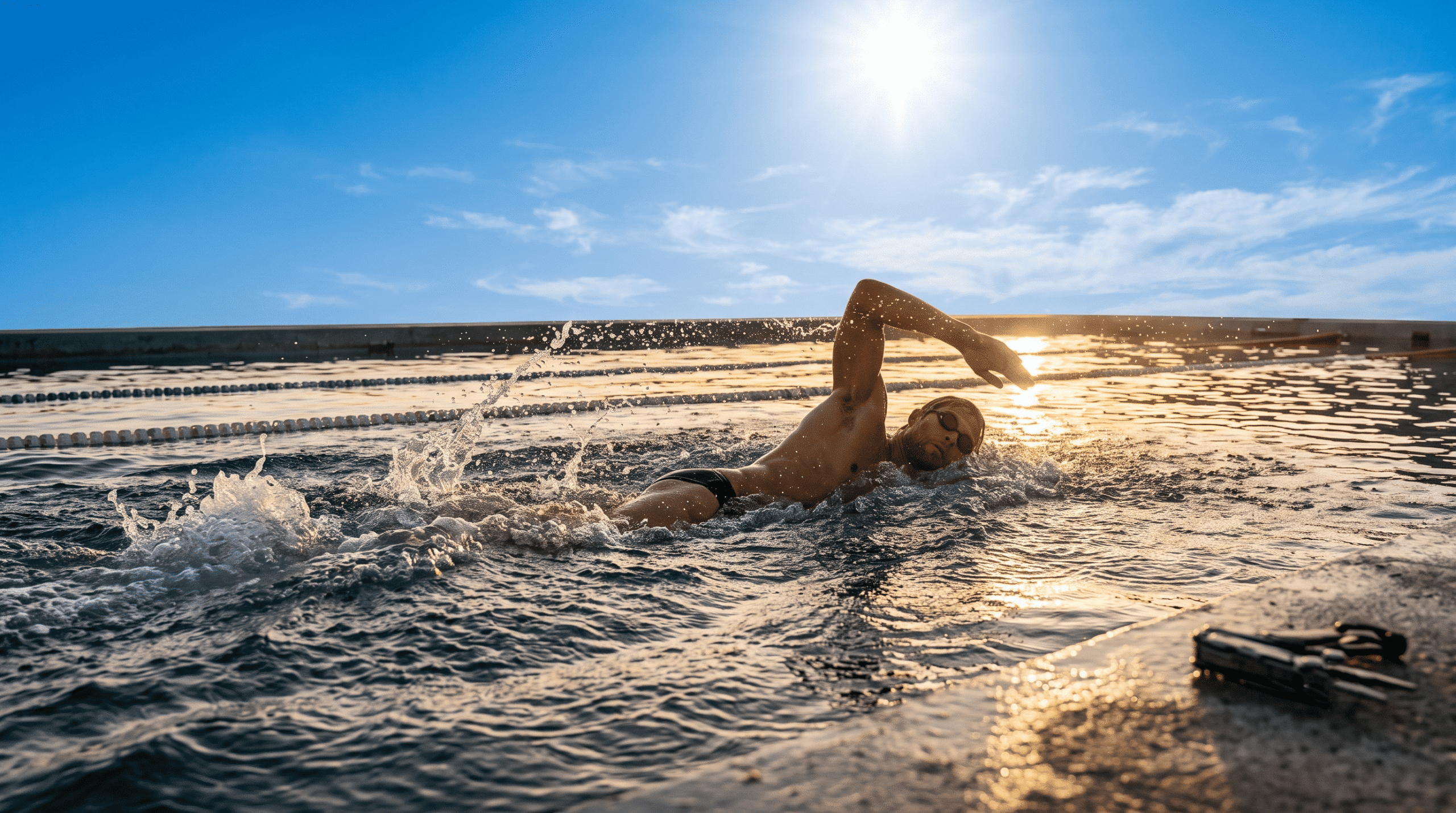
- Swimming (Freestyle & Laps): The ultimate cross-trainer for paddling. Laps in a pool build incredible shoulder and lat endurance. Mix up your sets – long, steady swims for endurance, and short, explosive sprints for power.
- Resistance Band Rows & Pulldowns: Mimic the pulling motion of paddling. Anchor a band to a sturdy point and perform seated or standing rows. For pulldowns, anchor it high and pull down as if doing a lat pulldown. This builds the foundational strength in your back and shoulders without the impact.
- Rotator Cuff & Shoulder Stability Exercises: Absolutely critical for injury prevention. External rotations, internal rotations, and ‘Y’s and ‘T’s with light weights or bands. I learned this the hard way after a rotator cuff strain kept me out of the water for months. Protecting these small, vital muscles means you stay in the water for years.
Remember that feeling when you’re stuck in the impact zone, and a huge set is bearing down? That’s when every ounce of paddle strength counts. It’s not just about catching waves; it’s about survival and getting back out there for the next one.
2. Pop-Up Power & Agility: Exploding onto the Wave
The pop-up is your gateway to the ride. It needs to be fast, fluid, and precise. A hesitation, a stumble, and you’ve missed the moment, often ending up nose-diving (pearling) or simply bogging down. I still chuckle recalling the time I tried to pop up too fast on a tiny peel at Cardiff, ended up with my feet tangled, and face-planted right in front of a couple of seasoned locals. Humbling, but a good lesson in controlled explosiveness.
- Burpees (with a Push-Up): The classic for a reason. They mimic the full-body movement of a pop-up. Focus on bringing your feet wide and landing them flat.
- Plyometric Push-Ups: From a push-up position, explode upwards so your hands leave the ground. This builds explosive chest and shoulder power. Start on your knees if needed.
- Box Jumps / Step-Ups: Focus on explosive leg power and soft landings. If you don’t have a box, use a sturdy low bench or just practice jumping onto a stable, elevated surface.
- Mountain Climbers: Great for hip flexor agility and core engagement, simulating the leg drive needed to bring your feet under you quickly.
The goal isn’t just speed; it’s coordinated speed. Practice the full movement from prone to standing, maybe 10-15 reps, focusing on sticking the landing with a balanced, low stance. You’ll feel the fire in your chest and quads, knowing you’re building that essential launch pad.
3. Core Strength & Balance: The Anchor in the Swell
The ocean is a dynamic, constantly shifting surface. Without a rock-solid core, you’re just a leaf on the water. Your core is the bridge between your upper and lower body, stabilizing every turn, absorbing every chop, and helping you recover from those unexpected wobbles. It’s what keeps you upright when the wave throws you a curveball.
- Planks (All Variations): Forearm plank, high plank, side plank. Hold for 30-60 seconds, focusing on keeping your body in a straight line. Add movement like plank jacks or shoulder taps for an extra challenge.
- Russian Twists (with or without weight): Sit with your knees bent, feet off the ground, and twist your torso from side to side. This works the rotational strength crucial for carves and cutbacks.
- Superman/Superwoman: Lie face down and lift your arms, chest, and legs off the ground simultaneously. Hold for a few seconds. Excellent for lower back and posterior chain strength, vital for preventing the dreaded “surfer’s back.”
- Balance Board / Indo Board Training: This is where you truly train your proprioception and the small stabilizing muscles in your ankles and feet. Spend 5-10 minutes daily just standing, balancing, and trying subtle weight shifts. When I first started on an Indo Board, I was wobbly as hell, but after a few weeks, I felt a noticeable difference in my stability on the wave.
- Single-Leg Deadlifts: Fantastic for both balance and posterior chain strength. Hold a light weight in one hand (opposite to the standing leg) and hinge forward, extending the non-standing leg behind you.
A strong core isn’t about looking good; it’s about feeling connected to your board and the wave, like an extension of the water itself. It gives you that fluid control that makes every maneuver smoother, every recovery quicker.
4. Leg Drive & Endurance: Turning Power into Glide
Your legs are your power plant, driving your turns and absorbing the impact of landings. Strong, flexible legs mean more powerful bottom turns, snappier cutbacks, and the ability to stay low and balanced through critical sections. Remember that first bottom turn where your legs felt like jelly, and you almost wiped out? That’s your body telling you it needs more leg work.
- Squats (Bodyweight, Goblet, Front): Focus on depth and explosive power on the way up. Mix in jump squats for plyometric benefit.
- Lunges (Forward, Reverse, Lateral): Build unilateral leg strength and improve balance. Lateral lunges are particularly good for mimicking the side-to-side movements on a board.
- Calf Raises: Simple but effective for ankle stability and explosive push-off from your toes.
- Pistol Squats (Advanced): A challenging single-leg squat that builds immense leg strength and balance. Start with assisted versions if you’re not there yet.
The burn in your quads and glutes during these exercises directly correlates to the power and endurance you’ll have when driving down the line or throwing a big spray. Don’t skip leg day if you want to carve like a pro.
5. Flexibility & Mobility: Fluidity in Motion
Stiff as a log won’t cut it in the ocean. Surfing demands a wide range of motion, especially in your hips, thoracic spine, and shoulders. Good flexibility prevents injuries and allows for deeper turns and more comfortable paddling. Being able to twist and contort smoothly allows you to adjust to the wave’s nuances without feeling rigid.
- Yoga for Surfers: Poses like Downward Dog, Warrior II, Pigeon Pose, and Cat-Cow are fantastic. They improve flexibility, balance, and body awareness. I find following a dedicated flow from educational resources like Yoga for Surfers during a 15-minute sequence before a session helps me feel much more limber and connected.
- Thoracic Spine Rotations: Improves the mobility in your upper back, crucial for looking over your shoulder during turns and paddles.
- Hip Flexor Stretches: Essential after hours of paddling, which shortens these muscles. Lunging stretches or the “couch stretch” are very effective.
- Shoulder Stretches: Doorway stretches, arm circles, and resistance band stretches to maintain full range of motion.
Think of flexibility as the oil for your machine. It keeps everything moving smoothly, preventing rust and allowing for peak performance. A supple body recovers faster and adapts better to the dynamic environment of the ocean.
Crafting Your Session: A Sample Surf Fitness Routine
Here’s a blueprint for a balanced surf fitness routine. Aim for 2-3 sessions per week, allowing for rest days in between. Listen to your body – it’s your most reliable guide in and out of the water.
Warm-Up (5-10 minutes)
- Light cardio (jogging, jumping jacks)
- Dynamic stretches (arm circles, leg swings, torso twists)
- Cat-Cow stretches to mobilize the spine
The Main Set: Surf-Specific Workout (45-60 minutes)
Perform each exercise for the recommended reps/duration, then move to the next. Complete 2-3 rounds of the circuit, with 60-90 seconds rest between rounds.
| Exercise Category | Exercise | Reps/Duration | Focus Area |
|---|---|---|---|
| Paddling Power | Prone Paddling Simulation (on stability ball or mat) | 30-45 seconds | Lats, Shoulders, Back Endurance |
| Paddling Power | Resistance Band Rows | 12-15 reps per side | Lats, Rhomboids, Mid-Back |
| Pop-Up Power | Burpees with Push-Up | 10-12 reps | Full-Body Explosiveness, Agility |
| Core Strength | Plank (Forearm or High) | 45-60 seconds | Abdominals, Lower Back Stability |
| Core Strength | Side Plank | 30 seconds per side | Obliques, Lateral Core Stability |
| Leg Drive | Goblet Squats (or Bodyweight) | 12-15 reps | Quads, Glutes, Hamstrings |
| Leg Drive | Reverse Lunges | 10-12 reps per leg | Quads, Glutes, Balance |
| Balance & Stability | Single-Leg Deadlifts (Bodyweight) | 8-10 reps per leg | Hamstrings, Glutes, Balance |
Cool-Down (10 minutes)
- Static stretches (hold each stretch for 20-30 seconds):
- Shoulder stretches (e.g., cross-body arm stretch)
- Chest opener (e.g., doorway stretch)
- Hip flexor stretch
- Hamstring stretch
- Child’s Pose
Insider Tips for Longevity in the Lineup
Beyond the reps and sets, there are unspoken truths about surf fitness that only years in the water will teach you. These aren’t in any textbook; they’re carved by experience.
- Listen to Your Body (The Ocean’s Whisper): The ocean doesn’t care about your ego. If your shoulder aches, rest it. Pushing through pain often leads to weeks or months out of the water. Sometimes, the best training is simply giving your body time to heal and rebuild. I’ve had days where the swell was pumping, but my body felt off, and I made the hard call to just watch. No regrets.
- Cross-Training is Your Friend: Don’t limit yourself. Rock climbing builds insane grip and back strength. Skateboarding (especially on a surfskate) hones your balance and carves. Swimming is obviously huge. These activities engage different muscle groups and keep things fresh, preventing burnout.
- Nutrition & Hydration: Fueling the Fire: You can’t run a Ferrari on cheap gas. Eat whole, unprocessed foods. Hydrate constantly, especially if you’re spending hours under the sun and in saltwater. I always pack a liter of water and some fruit for after a session; it makes a world of difference in recovery.
- Rest & Recovery: The Unsung Hero: This is where your muscles actually grow and repair. Get enough sleep. Incorporate active recovery like light walks or stretching on rest days. Over-training is a real thing, and it’ll leave you weaker, not stronger.
- The Mental Game: Mind Over Malfunction: Surf Fitness isn’t just physical. Your mental fortitude, your ability to stay calm in heavy situations, and your patience in waiting for the right wave are all honed through discipline, both in and out of the water. Visualize your pop-up, your turns. See yourself successfully navigating the wave.
- Paddling Technique Refinement: No amount of strength will replace good technique. Focus on an efficient, powerful paddle stroke. Keep your head down, chest slightly up, and use your entire arm, engaging your lats. As you build your physical foundation, you’ll find yourself ready to tackle more advanced challenges and Surf Techniques for Intermediate Surfers with greater confidence and control.
Ultimately, a surf fitness routine isn’t just about preparing for a session; it’s about preparing for a lifestyle. It’s about building a body that can handle the ocean’s embrace and its occasional fury, allowing you to chase that feeling of pure flight on water for years to come. The effort you put in on land will pay dividends every time you feel that first surge of a wave lifting you.
Frequently Asked Questions About Surf Fitness
What’s the best frequency for a surf fitness routine?
Most surfers benefit from 2-3 dedicated surf fitness sessions per week, allowing for rest days in between. On other days, you can focus on light cardio, flexibility, or active recovery. If you’re also surfing frequently, adjust your land-based training to avoid overtraining and allow for adequate recovery. Listen to your body; it will tell you when it needs a break.
Can I do a surf fitness routine at home without special equipment?
Absolutely! Many effective surf-specific exercises require little to no equipment. Bodyweight exercises like burpees, squats, lunges, and planks are incredibly powerful. Resistance bands are inexpensive and versatile for mimicking paddling movements and strengthening rotator cuffs. For balance, you can use a folded towel or pillow as an unstable surface, or invest in a simple balance board.
How important is injury prevention in a surf fitness routine?
Injury prevention is paramount. Surfing places unique stress on shoulders, lower back, and knees. A good fitness routine will proactively strengthen the supporting muscles, improve joint mobility, and enhance stability to reduce the risk of common surf injuries. Prioritize warm-ups, cool-downs, and incorporating specific exercises for vulnerable areas, such as rotator cuff work for shoulders and core stability for the back.

