How to Train for Surfing on Land: Mastering the Waves, Even When It’s Flat
There’s a common misconception among newcomers to the surfing world: that the only way to get better is to be in the water. While nothing truly replaces the feel of the ocean beneath your board, trust me, after two decades chasing swells from the perfect barrels of Uluwatu to the cold, raw power of the Atlantic, I can tell you that land-based training isn’t just a placeholder for flat spells. It’s your secret weapon. It builds the foundational strength, balance, and muscle memory that turns hesitant attempts into confident carves.
When you’re out there in the lineup, battling the current and the occasional rogue set, you need more than just good intentions. You need a body that’s ready to explode into action, stable as a rock, and flexible enough to flow with the wave’s energy. And guess what? You can forge that on dry land, smelling the salt on your skin only in your mind’s eye as you grind through the exercises.
In my early days, I learned this the hard way. I’d paddle out, full of enthusiasm, only to be gassed after a few duck dives, my pop-up slow and wobbly. It was frustrating, bordering on soul-crushing. That’s when I realized the pros weren’t just born with it; they were putting in the work, even when the ocean was asleep.
The Core of It All: Stability and Power from the Inside Out
The ocean is a dynamic beast. Every wave, every current shift, demands constant micro-adjustments from your core. It’s not about big, showy muscles; it’s about deep, stabilizing strength. Think of your core as the rudder of your surfboard. Without a strong rudder, you’re just drifting. I’ve seen countless beginners, myself included in the early days, struggling with stability, their arms flailing, all because their core wasn’t engaged.
To build that kind of core, you need more than just crunches. We’re talking about exercises that challenge your body’s ability to resist rotation and maintain a rigid spine under pressure. Planks are your best friend, but don’t just hold them static. Try side planks with hip dips, or planks with alternating arm/leg lifts to really ignite those deep stabilizers.
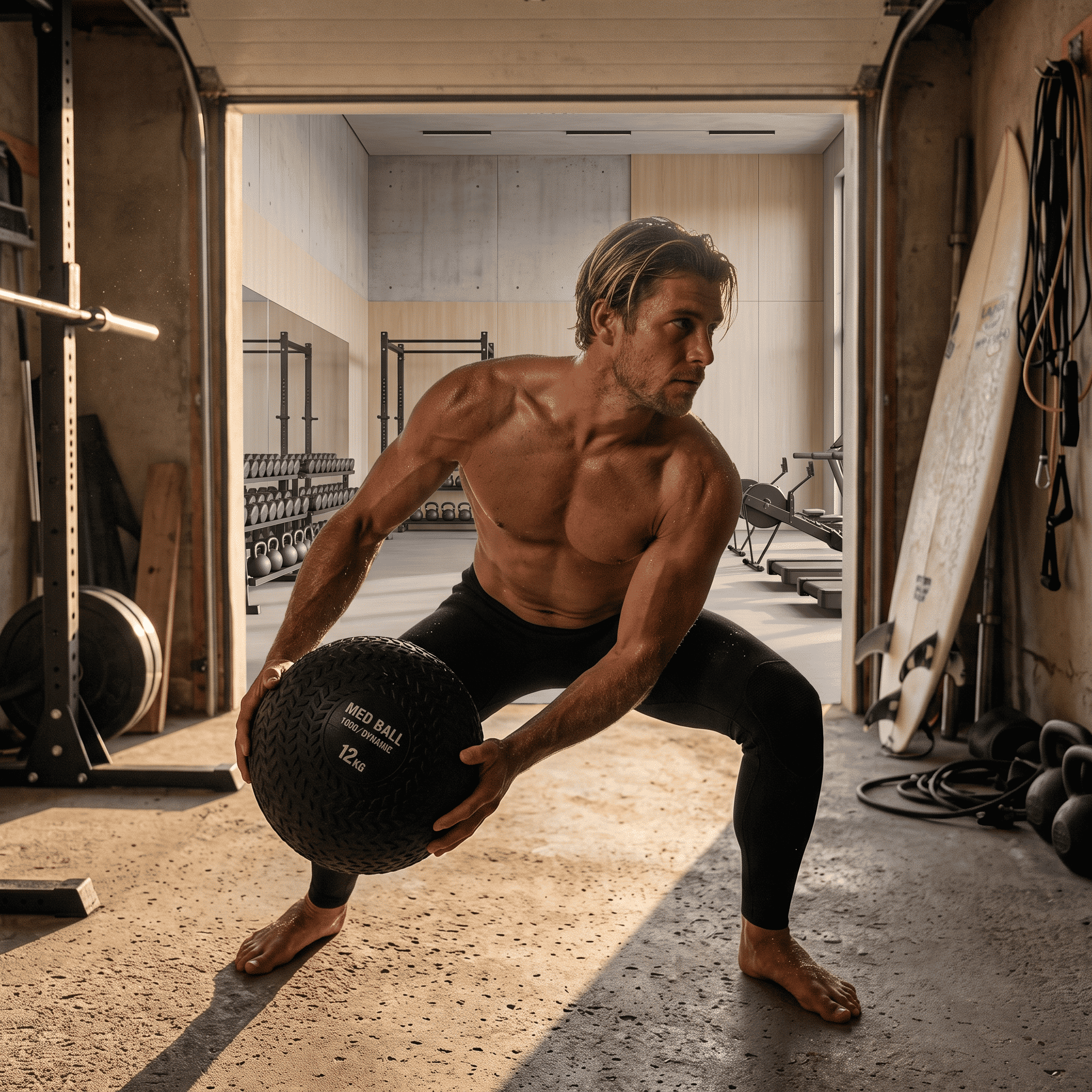
For dynamic power, medicine ball twists, Russian twists (with good form, please!), and bicycle crunches mimic the rotational forces you experience when carving a turn. Focus on quality over quantity. Five perfect reps are worth more than twenty sloppy ones. In my case, I found that incorporating a stability ball for core exercises, like roll-outs or pikes, really translated to a noticeable improvement in my ability to stay centered during quick maneuvers on the wave.
Finding Your Balance: The Art of Staying Centered on Solid Ground
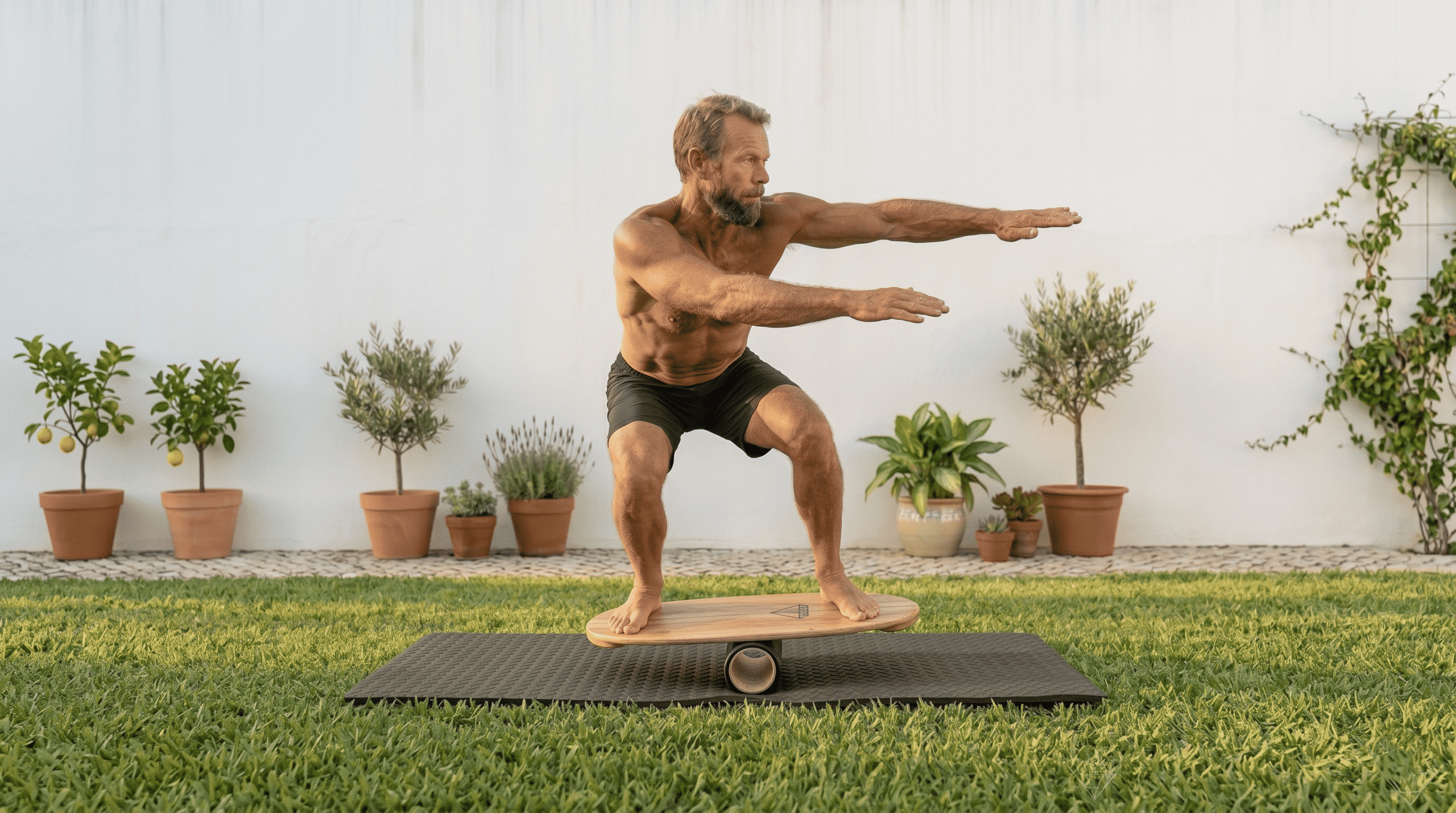
Balance on a surfboard isn’t just about standing up; it’s about constantly adjusting to a moving platform. It’s the subtle shift of weight, the slight bend in the knees, the intuitive response to the wave’s contours. On land, you can train for surfing this proprioception – your body’s sense of its position in space – without the added challenge of being tumbled by a wave. This is crucial because it builds the confidence to push yourself harder once you’re back in the water.
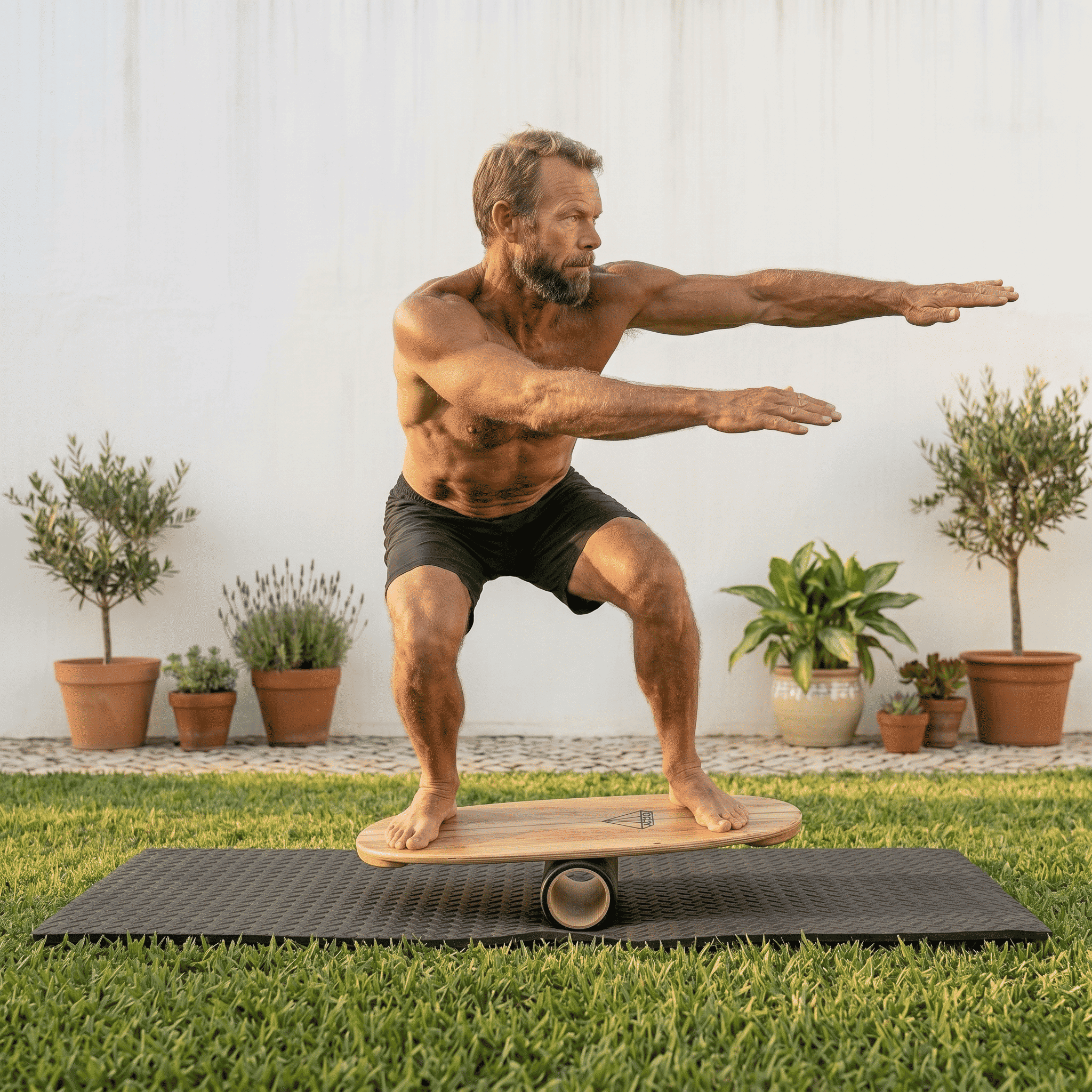
Balance boards are gold. Whether it’s a simple Indo Board, a soft foam pad, or even just a rolled-up towel, standing on an unstable surface and performing basic movements will significantly improve your equilibrium. Try standing on one leg while brushing your teeth, or doing single-leg squats on a soft mat. Surfskates are another incredible tool, simulating the rail-to-rail feel of a surfboard on pavement.
When I first started messing around with a surfskate, I was shocked at how quickly it refined my weight distribution and bottom turn initiation. It taught me to lean into my turns and trust my edges, which directly translated to smoother transitions in the lineup. Remember, the goal isn’t just to stay upright, but to feel comfortable and responsive in that state of controlled instability.
Pop-Up Perfection: Drills to Nail Your Take-Off Every Time
The pop-up is the moment of truth. It’s the difference between catching a wave and watching it roll by. A slow, clumsy pop-up can lead to pearling (nose-diving) or simply missing the sweet spot of the wave. I’ve had my share of embarrassing pop-up failures – once, in front of a whole crew of seasoned locals, I practically did a face-plant in ankle-deep water trying to look cool. It was a humbling reminder that practice, even on land, is paramount.
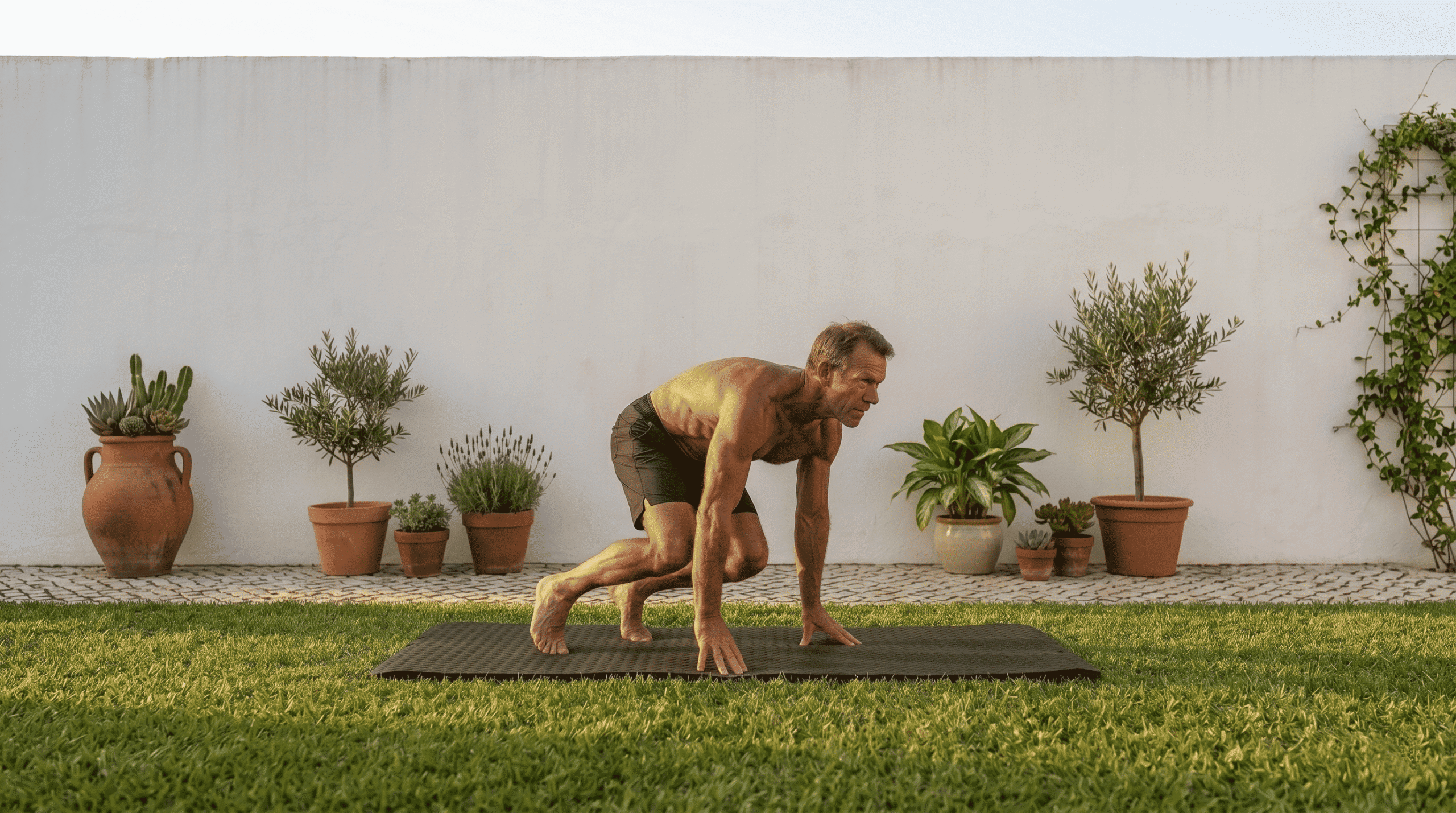
The key here is repetition and explosiveness. Lie prone on the floor, hands flat under your shoulders as if you’re on your board. In one fluid motion, push up, bring both feet simultaneously under your chest, and land in a wide, low, surf-stance. Your front foot should be around your lead hand, and your back foot perpendicular, near your back hand. Practice this 20-30 times a day, every day. Focus on keeping your head up, spotting where you want to go.
Add resistance bands around your ankles for extra challenge, or practice jumping onto a low box to simulate the height you need. The faster and smoother your pop-up on land, the faster and smoother it will be in the water. This muscle memory is invaluable, especially when you’re transitioning to more challenging conditions or looking to refine your Surf Techniques for Intermediate Surfers .
Paddling Prowess: Building Endurance and Strength Off the Water
Paddling is the unsung hero of surfing. It’s the grind, the effort that gets you to the waves, gets you into position, and gets you back out after a wipeout. Without solid paddling endurance and strength, you’ll spend more time resting than riding. I’ve felt the burning in the lats, the fatigue creeping into the shoulders, wondering if I had another stroke left. It’s a purgatory unique to surfing, but one you can prepare for on land.
The primary muscles for paddling are your lats, shoulders, and triceps, supported by your core. Swimming is an obvious choice if you have access to a pool. Otherwise, resistance band exercises utilizing high-durability elastic cords from industry benchmarks like TheraBand are highly effective at simulating the long, deep underwater stroke path while building the specific structural endurance required to protect your rotator cuffs.”
Pull-ups and chin-ups are fantastic for building back and bicep strength. For endurance, try rowing machines or even just ‘superman’ holds on the floor, extending arms and legs, lifting them off the ground, and holding for time. These exercises build the specific muscle endurance required to paddle effectively, allowing you to catch more waves and conserve energy for the ride itself.
Flexibility and Mobility: The Unsung Heroes of a Smooth Ride
Surfing demands a full range of motion. From duck diving to carving a tight bottom turn, stiffness is your enemy. A lack of flexibility not only limits your performance but also increases your risk of injury. Imagine trying to do a deep squat or twist your torso fully when your hips or shoulders are tight – it’s going to restrict your flow and make you fight the board, rather than becoming one with it. I learned the hard way that ignoring flexibility led to nagging shoulder issues and a restricted range of motion in my turns.
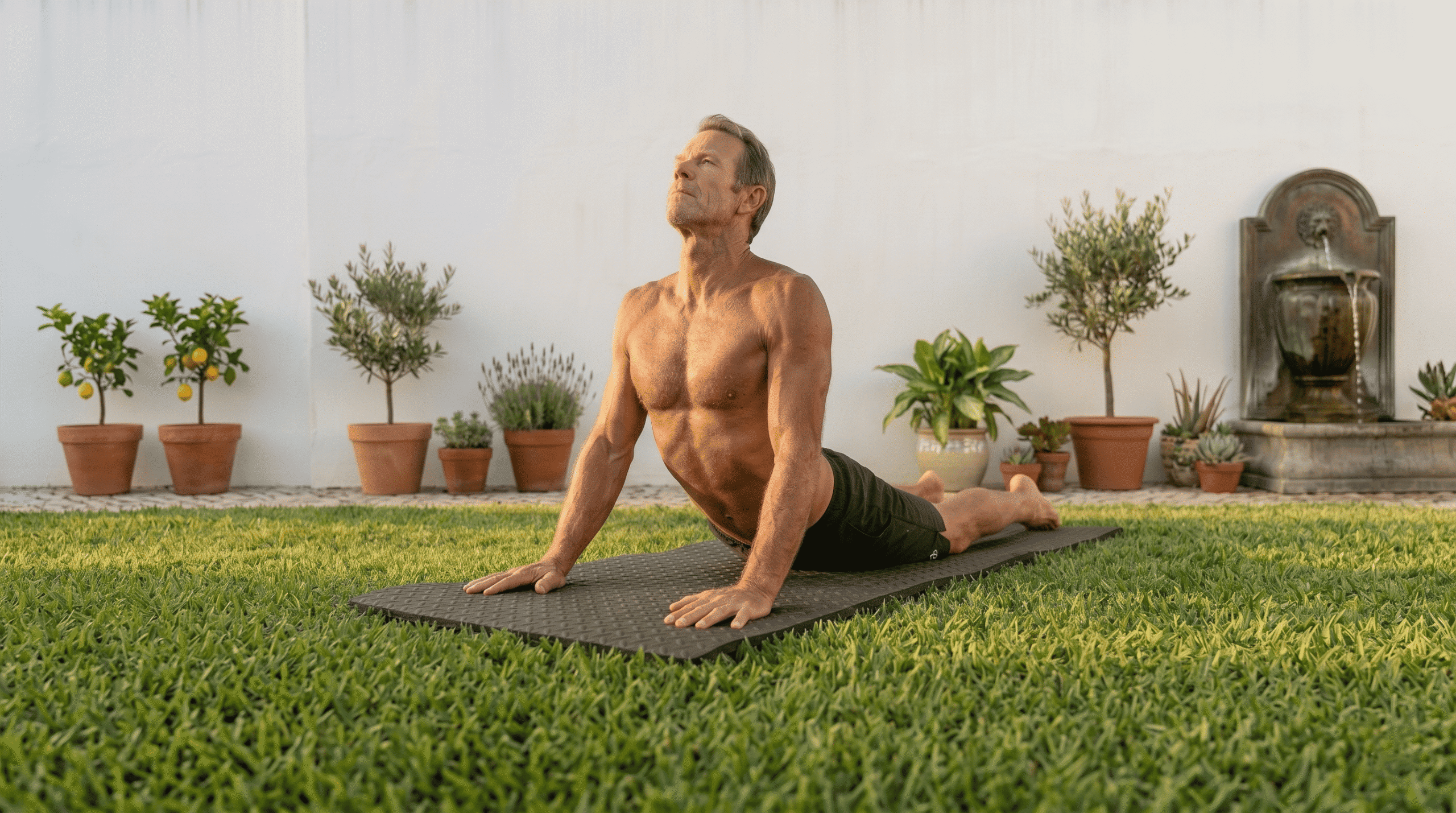
Yoga and dynamic stretching are paramount. Focus on hip openers like pigeon pose and lizard pose, which are crucial for getting low in your stance and rotating through turns. Thoracic spine rotations improve upper body mobility, essential for powerful paddle strokes and looking over your shoulder for incoming waves. Hamstring and calf stretches will help with your pop-up and general board control. Don’t just stretch cold muscles; incorporate dynamic movements like leg swings and arm circles as a warm-up before any land training session. Think of it like this: a flexible surfer is a fluid surfer, able to adapt and respond to the ocean’s constantly shifting canvas. It’s about finding that effortless flow, like water itself.
The Surfer’s Mindset: Visualisation and Mental Prep
While physical training is crucial, the mental game is just as important. The ocean can be intimidating. The roar of a big set, the rush of adrenaline, the fear of wiping out – it can all make you hesitate. This is where visualization comes in. Even on land, you can train your mind to stay calm, focused, and confident.
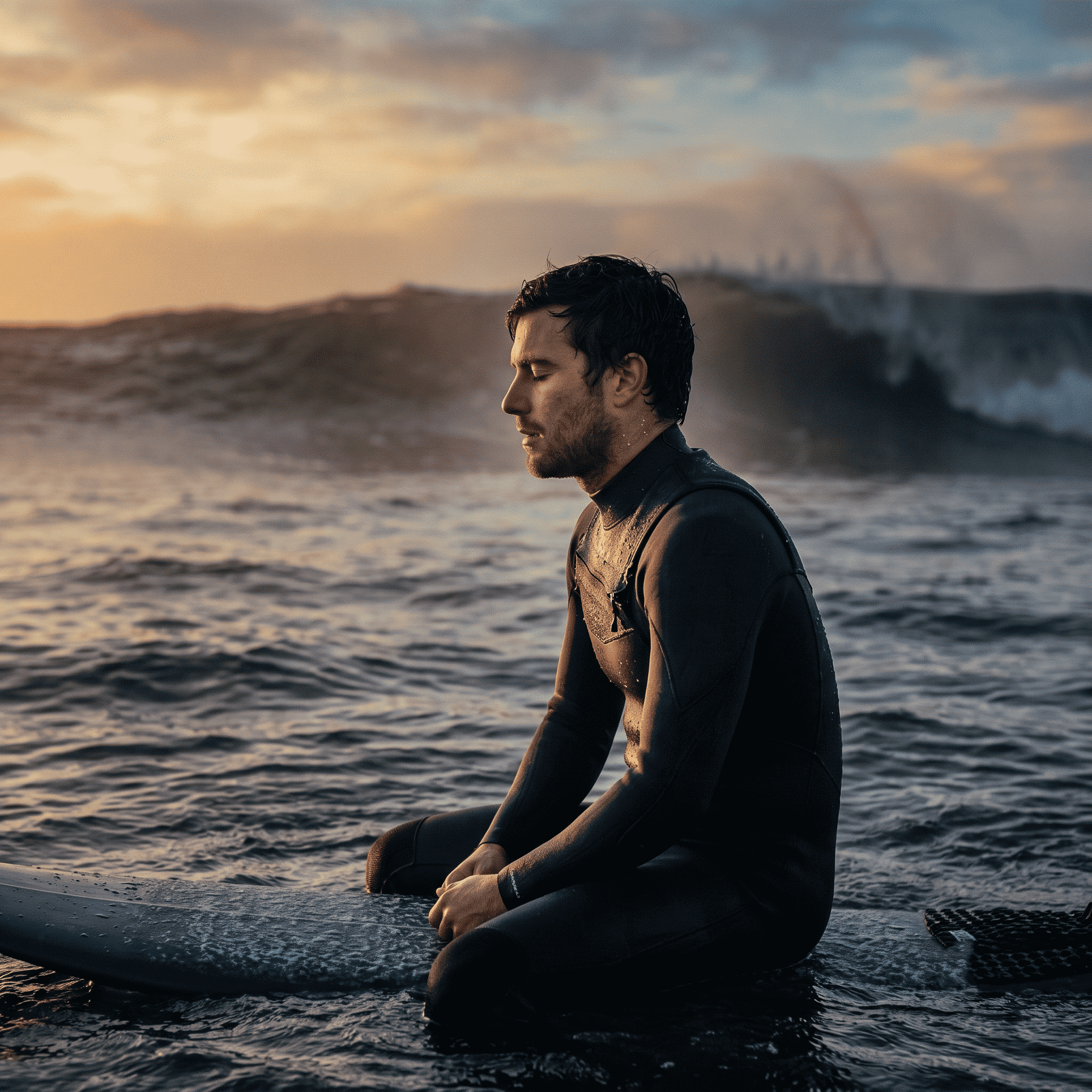
Find a quiet spot. Close your eyes. Smell the imagined salt, hear the waves. Visualize yourself paddling out, duck diving perfectly under a breaking lip. See yourself spotting the perfect wave, paddling with power, executing a flawless pop-up, and carving smoothly down the line. Feel the spray on your face, the speed under your feet. The more vividly you can imagine success, the more prepared your mind will be to execute it when you’re actually in the water.
This mental rehearsal builds confidence and reduces anxiety. I’ve used this technique countless times, especially before tackling a new, intimidating spot or when the waves were pushing my comfort zone. It helps quiet the internal chatter and keeps you focused on the task at hand.
Crafting Your Dryland Training Regimen: A Sample Weekly Plan
Consistency is key. You don’t need to spend hours every day, but regular, focused sessions will yield significant results. Here’s a sample plan to get you started, remember to listen to your body and adjust as needed. Always warm up for 5-10 minutes with light cardio and dynamic stretches, and cool down with static stretches.
- Monday: Core & Balance Focus
- Plank variations (front, side, with lifts): 3 sets, max hold time.
- Stability ball roll-outs or pikes: 3 sets of 10-12 reps.
- Russian twists (medicine ball optional): 3 sets of 15-20 reps per side.
- Balance board drills (squats, rotations): 15-20 minutes.
- Tuesday: Pop-Up & Power
- Pop-up drills: 3 sets of 15-20 reps (focus on speed and fluidity).
- Burpees: 3 sets of 10-15 reps.
- Box jumps or squat jumps: 3 sets of 8-10 reps.
- Medicine ball slams: 3 sets of 10-12 reps.
- Wednesday: Active Recovery / Flexibility
- Yoga for surfers (online class or sequence focusing on hips, spine, shoulders): 30-45 minutes.
- Deep stretching (hold each stretch for 30-60 seconds).
- Light surfskate session (focus on flow, not intensity).
- Thursday: Paddle Strength & Endurance
- Resistance band paddle strokes: 3 sets of 20-30 reps per arm.
- Pull-ups/Chin-ups (assisted if needed): 3 sets to failure.
- Dumbbell rows: 3 sets of 10-12 reps per arm.
- Swimming or rowing machine: 20-30 minutes, moderate intensity.
- Friday: Full Body Functional Strength
- Goblet squats: 3 sets of 10-12 reps.
- Lunges (walking or static): 3 sets of 10-12 reps per leg.
- Push-ups: 3 sets to failure.
- Deadlifts (light weight, focus on form) or kettlebell swings: 3 sets of 8-10 reps.
- Saturday/Sunday: Surf / Rest / Free Play
- Hit the water if conditions are good!
- Rest day, or light activities like hiking, cycling, or more surfskating.
Comparative Table: Land Training Tools & Their Benefits
Choosing the right tools can enhance your dryland training significantly. Here’s a breakdown of common options and what they offer:
| Tool | Primary Benefits for Surfing | Best For | Insider Tip |
|---|---|---|---|
| Balance Board | Proprioception, core stability, ankle strength, mental focus. | All levels, especially for refining pop-ups and general board feel. | Practice blindfolded to really challenge your inner ear and deep stabilizers. Or try pop-ups directly onto the board. |
| Surfskate / Carver | Rail-to-rail transitions, bottom turns, cutbacks, weight distribution, carves. | Intermediate to advanced, excellent for muscle memory of turns. | Find a gentle slope to simulate wave energy. Focus on compressing and extending, just like on a wave. |
| Resistance Bands | Paddling strength, pop-up explosiveness, flexibility, targeted muscle activation. | All levels, versatile for travel and home workouts. | Use lighter bands for higher reps mimicking paddle strokes, and heavier bands for pop-up resistance. |
| Yoga Mat / Foam Pad | Flexibility, mobility, core exercises, pop-up practice, injury prevention. | All levels, essential for comfort and form. | Use a thicker foam pad for balance challenges during single-leg exercises. |
| Medicine Ball | Rotational power, core strength, explosiveness, endurance. | Intermediate to advanced for dynamic, powerful movements. | Incorporate slams and twists into a circuit for high-intensity interval training (HIIT). |
| Pull-up Bar | Back, shoulder, and arm strength (crucial for paddling). | All levels (can use resistance bands for assistance). | Focus on a full range of motion. For specific paddling simulation, vary your grip width. |
Frequently Asked Questions
How often should I train for surfing on land?
Aim for 3-5 sessions per week, with a mix of strength, balance, and flexibility work. Listen to your body and incorporate rest days, especially if you’re also surfing in the water.
Can land training really replace time in the water?
No, it complements it. Land training builds the physical foundation and muscle memory, but nothing replaces the feel of the ocean, the timing of catching a wave, and the nuances of reading the swell. It makes your time in the water more productive and enjoyable.
What’s the most important aspect of dryland training for a beginner?
For beginners, focusing on a strong, stable pop-up and developing core strength and basic balance are paramount. These are the building blocks that will get you consistently riding waves.
Do I need special equipment to train for surfing on land?
Not necessarily! You can start with bodyweight exercises, a yoga mat, and maybe a stability ball. As you progress, a balance board, resistance bands, or a surfskate can be excellent investments to further refine your skills.
How long will it take to see results from land training?
With consistent effort, you’ll likely start feeling stronger and more balanced within a few weeks. Translating that to improved surfing will depend on your water time, but you should notice a more confident pop-up, better endurance, and greater stability on the board within 1-3 months.