Table of Contents
The History of Surf Culture: Tracing the Waves of Time from Ancient Seas to Modern Shores
For those of us who feel the magnetic pull of the ocean, surfing is more than just a sport—it’s a way of life, an ancient dance with the waves. When I talk about the history of surf culture, I’m not just reciting dates; I’m talking about the evolving spirit, the shared stoke, and the deep respect for the sea that has flowed through generations. From rudimentary wooden planks to high-performance composite boards, the journey of riding waves is a profound story of human connection to nature, ingenuity, and boundless passion. It’s a story I’ve felt in every paddle, every drop, and every wipeout over my decades in the water.
From Ancient Polynesia to Royal Pastimes: The Genesis of Riding Waves
The true genesis of surf culture lies shrouded in the mists of ancient Polynesia, long before anyone ever dreamed of a fiberglass board or a wetsuit. For islanders, particularly in what is now Hawaii, riding waves, or he’e nalu, wasn’t a recreational activity; it was an integral part of their spiritual, social, and physical existence. It was a communal affair, often reserved for royalty, the ali’i, who rode massive, expertly crafted olo boards, sometimes stretching 15 to 20 feet long, carved from precious koa wood. The commoners, or maka’ainana, rode shorter, simpler alaia boards.
These ancient surfers possessed an intimate knowledge of the ocean, understanding swell patterns, currents, and the subtle language of the waves. It was a skill passed down through generations, embodying respect for the ocean’s power and its provision. They didn’t just catch waves; they were part of the ocean’s rhythm. The construction of a surfboard was a sacred process, involving specific rituals and prayers to ensure good fortune and powerful waves. Imagine the sound of ancient chants mingling with the roar of the surf, the smell of wood shavings mixing with the salty air.
That’s where the soul of surfing was born. In my own experience, understanding this deep reverence for the craft and the ocean is what truly grounds you. You learn early on that the ocean doesn’t care about your ego, only your respect.
The Silence, Then the Resurgence: Surfing’s Near Extinction and Revival
With the arrival of European missionaries in the late 18th and early 19th centuries, the vibrant Hawaiian culture, including he’e nalu, faced immense pressure. The missionaries, viewing surfing as a hedonistic, idle pursuit associated with gambling and nudity, actively discouraged it. As a result, the art of wave-riding slowly faded from public life, becoming a hidden tradition, practiced only by a dedicated few in remote villages. For decades, the once-thriving beaches grew quiet, the thud of olo boards replaced by the hushed whispers of forgotten traditions.
It was a stark period, a testament to how fragile cultural practices can be. But like a persistent swell, the sport refused to die. In the late 19th and early 20th centuries, a small number of Hawaiians, including Princess Kaiulani and a handful of dedicated enthusiasts, kept the flame alive. This quiet preservation laid the groundwork for its dramatic reawakening.
When I think of this period, I picture those lone figures, perhaps just a handful, paddling out against the current of societal disapproval, fueled by the sheer, unshakeable joy of riding a wave. Their perseverance is why we even have this conversation today. It’s a powerful reminder that sometimes the most profound cultural shifts start with just a few determined souls.
Duke Kahanamoku and the Spreading Swell: Surfing Goes Global
The true global resurgence and popularization of surfing can largely be attributed to one man: Duke Kahanamoku. A legendary Olympic swimmer and native Hawaiian, Duke was more than just an athlete; he was an ambassador, a walking embodiment of the aloha spirit. After winning multiple Olympic medals in the early 20th century, he traveled the world, bringing his surfboards and his captivating demonstration of wave-riding to diverse audiences. From Australia to California, his graceful prowess on the water ignited a spark.
Imagine the scene: crowds gathering, mesmerized, as Duke glided effortlessly across the water on a heavy, solid wood board. He was a symbol of strength, elegance, and pure joy. In 1914, his exhibition at Freshwater Beach in Sydney is often credited with kickstarting Australian surf culture. He did the same on the West Coast of the United States, particularly in Southern California.
Duke’s charismatic personality and athletic achievements transformed surfing from an obscure Hawaiian curiosity into an aspirational activity. He taught people not just how to surf, but how to embrace the ocean with respect and joy. When I think about Duke, I’m reminded that the essence of surfing isn’t just about catching a wave, but about sharing the stoke and the aloha, a lesson that still holds true in every lineup around the world.
The Golden Age: Post-War Boom, Gidget, and the Beach Culture Explosion
The post-World War II era ushered in what many consider surfing’s “Golden Age.” With increased leisure time, disposable income, and the rise of the automobile, the beaches of Southern California became epicenters of a burgeoning youth culture. Lightweight balsa wood boards, and later foam and fiberglass, made surfing more accessible and manageable. This period saw the proliferation of surf clubs, local heroes, and a distinct aesthetic centered around sun, sand, and good vibrations. The 1959 novel and subsequent film Gidget played a monumental role, albeit a somewhat romanticized one, in bringing surfing into mainstream American consciousness. It introduced millions to the allure of the surf lifestyle, portraying it as a carefree, adventurous world.
Suddenly, everyone wanted to be a surfer. The Beach Boys and other surf-rock bands provided the soundtrack, singing about woody wagons, endless summers, and catching waves. Surf shops popped up, selling everything from boards to board shorts. This era solidified the image of the tanned, youthful surfer as a cultural icon. It wasn’t just about riding waves anymore; it was about the entire lifestyle—the camaraderie, the music, the fashion, the pursuit of the perfect wave. When I close my eyes, I can almost smell the old-school surf wax and the exhaust from a classic woody pulling up to Malibu. It was a time when the ocean seemed to promise infinite freedom, and for many, it delivered.
The Shortboard Revolution and Counter-Culture: Innovation and Rebellion
By the late 1960s, a new wave of innovation swept through surf culture, forever altering its trajectory: the Shortboard Revolution. Dissatisfied with the cumbersome nature of longboards, a new generation of surfers sought more maneuverability, speed, and verticality. Shapers like Bob McTavish and George Greenough spearheaded the movement, dramatically shortening boards from 9-10 feet to 6-7 feet. This shift allowed for radical new maneuvers—snaps, cutbacks, and barrels—pushing the limits of what was possible on a wave.
This technical revolution mirrored a broader counter-cultural movement. Surfers became more rebellious, embracing anti-establishment attitudes and a deeper connection to nature. Professional contests began to emerge, transforming surfing from a purely recreational pastime into a competitive sport. Figures like Gerry Lopez, with his fluid style, and the aggressive approach of the “Bronzed Aussies” (Wayne Bartholomew, Mark Richards) dominated the scene. It was a time of raw energy, artistic expression, and intense athleticism.
The longboarders and shortboarders often clashed, reflecting a deeper philosophical divide about the “soul” of surfing. As someone who watched this unfold, I saw firsthand how these smaller boards opened up waves previously thought unridable, and it felt like witnessing a new language being spoken on the water, raw and electrifying.
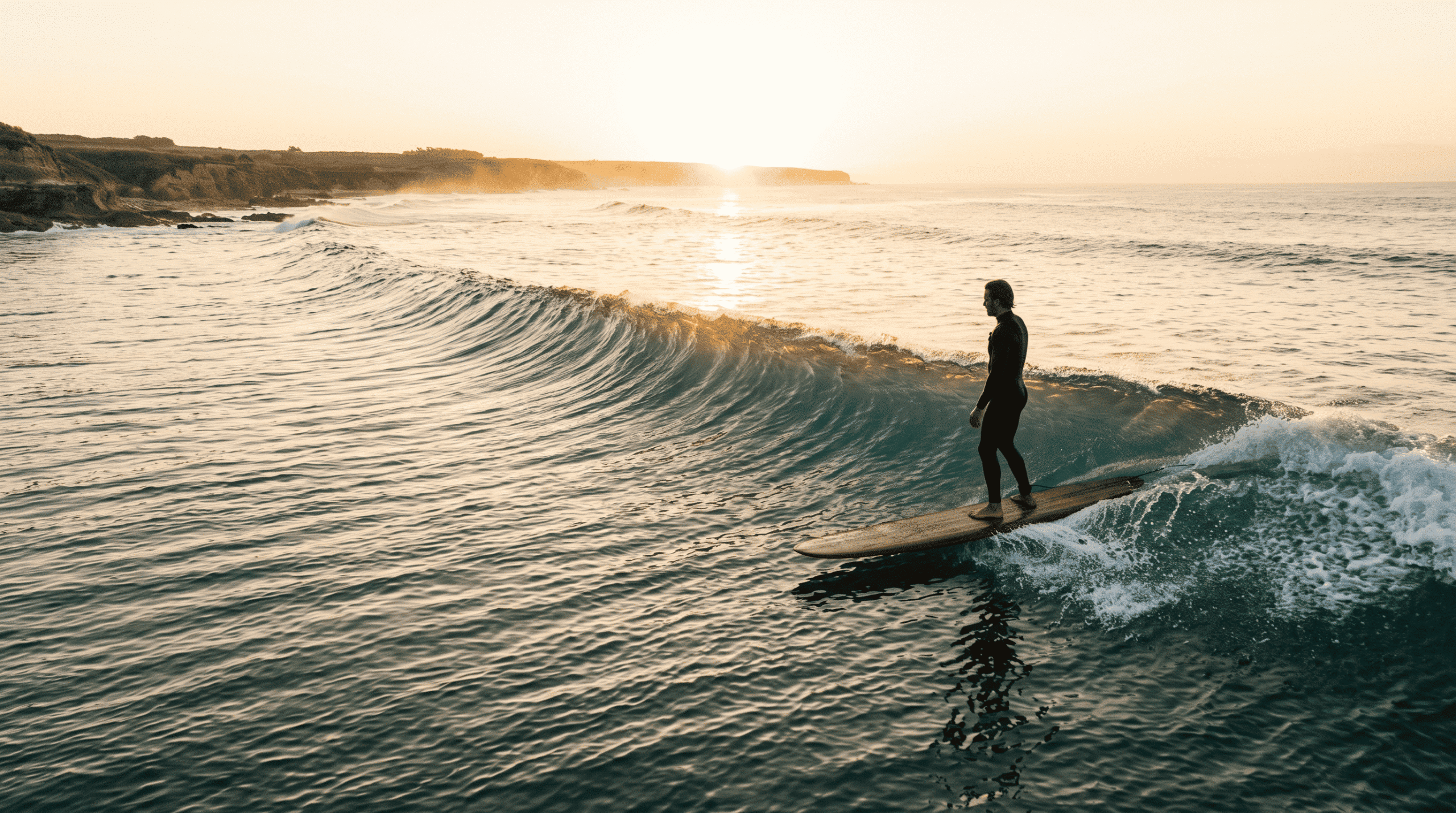
Modern Surf Culture: Global Sport, Environmental Ethos, and Evolving Styles
Today, surf culture is a complex tapestry, woven from its rich history, global influences, and contemporary challenges. It has matured into a multi-billion dollar industry, with professional tours, endorsements, and widespread media coverage. Surfing became an Olympic sport in 2020, a testament to its global reach and athletic legitimacy. Yet, beneath the professional veneer, the core ethos of soul surfing endures. Modern surfers have become powerful advocates for coastal preservation, uniting behind non-profit marine conservation authorities like the Surfrider Foundation to protect coastal ecosystems and defend public beach access. The pursuit of empty waves, the connection with nature, and the local community spirit remain paramount.
Modern surf culture also carries a profound environmental consciousness. Surfers, being on the front lines of climate change and ocean pollution, have become powerful advocates for marine conservation. Organizations like the Surfrider Foundation, born from the surf community, champion clean oceans and sustainable practices. We see an explosion of diverse styles, from the resurgence of traditional longboarding and alternative retro shapes to the high-flying aerials of performance surfing.
The global spread means surf cultures now thrive in places like Ireland, Norway, and even river waves in Munich. The smell of freshly brewed coffee in a coastal surf town and the sight of surfers checking the dawn patrol are universal. It’s a testament to the enduring allure of riding the ocean’s energy, a dance that connects us all.
The Evolution of Surfboard Design: A Ride Through Innovation
The surfboard itself is a masterpiece of evolving engineering, reflecting the shifting demands and artistic visions of surfers throughout history. From ancient logs to modern marvels, each design leap unlocked new possibilities on the wave.
| Era | Board Type & Key Features | Cultural & Riding Impact | Materials |
|---|---|---|---|
| Pre-1900s (Ancient Hawaii) | Olo & Alaia: Long (10-20 ft), thick, no fins. | Royal (Olo) & commoner (Alaia) boards. Emphasized straight riding, gliding with mana. Slow, powerful turns. | Koa, Wiliwili wood (solid) |
| Early 1900s (Duke Era) | Planks: Shorter (8-10 ft), still heavy, no fins. | Simplified for transport and accessibility. Introduced to global audiences. Still focused on glide. | Redwood, Pine, Balsa (solid) |
| 1930s-1950s (Malibu Era) | Hollow Boards / Redwood “Logs”: Long (9-11 ft), wider, single fin introduced. | Increased buoyancy, stability. Allowed for noseriding, cross-stepping. “Hot-dogging” style emerged. | Redwood, plywood (hollow), later balsa wood core, fiberglass resin |
| 1960s-Early 1970s (Shortboard Revolution) | Shortboards: Shorter (6-8 ft), narrower, more rocker, single fin. | Emphasis on maneuverability, speed, vertical surfing. Allowed for snaps, cutbacks, tubes. | Foam blank, fiberglass, polyester resin |
| Late 1970s-1980s (Twin Fin & Thruster) | Twin Fins / Thrusters: Shorter (5-7 ft), wider tails, multiple fins (2 or 3). | Twin fin for speed and looseness; Thruster (Simon Anderson’s design) for control, drive, and stability across varied conditions. Defined modern high-performance surfing. | Foam blank, fiberglass, polyester/epoxy resin |
| 1990s-Present (High Performance & Alternative) | Hybrid Shapes, Fish, Modern Longboards, Foil Boards: Wide variety of lengths, outlines, fin configurations. | Cater to diverse styles, wave conditions, and skill levels. Performance surfing continues to evolve, alongside retro revivals and experimental designs (e.g., foils). | EPS/PU foam, fiberglass, carbon fiber, epoxy resin, sustainable materials |
Navigating the Lineup: Etiquette Through the Ages (and Insider Tips)
While boards and styles have changed, one constant in surf culture is the unwritten code of the lineup—surf etiquette. It’s a crucial aspect of safety and respect, and knowing it is a mark of true experience. It’s not just about avoiding collisions; it’s about sharing a natural resource respectfully. The fundamental rule, the one you must engrave in your mind, is “the surfer closest to the peak has priority.” This means if you’re paddling for a wave and someone is already riding it or is in a better position to catch it further down the line, that wave belongs to them.
But there’s more to it. There’s the subtle art of the paddle battle: it’s not always about brute strength, but about anticipating where the wave will peak and positioning yourself slightly ahead, just enough to gain that crucial split-second advantage. Don’t be a wave hog. If you’re catching every set wave, you’re disrespecting others. Wait your turn, and sometimes, let a good one go by if someone else has been waiting patiently. Another key insight I’ve picked up over the years is to read the unspoken language of the lineup. Pay attention to who the regulars are, how they interact, and where they sit.
Don’t paddle straight into the middle of a tight-knit crew and start aggressively calling for waves. Hang back, observe, and slowly integrate. A nod, a smile, a respectful “good wave” can go a long way. And perhaps the most important insider tip: always apologize genuinely if you accidentally drop in or cause an issue. Humility in the water earns respect faster than any big move. Remember, the ocean is big enough for everyone, but only if we share it with aloha.
The Future of Surf Culture: Riding the Next Wave
The future of surf culture, much like the ocean itself, is constantly evolving. We’re seeing exciting innovations in board design, with sustainable materials and hydrodynamics pushing the boundaries of performance and environmental responsibility. Wave pools, once a distant dream, are becoming a reality, democratizing access to perfect waves far from the coast. This raises interesting questions about the soul of surfing: can a manufactured wave truly replicate the unpredictable magic of the ocean?
The professionalization of surfing will continue, bringing more global attention and athletes from diverse backgrounds. Yet, the core essence of surf culture—the connection to nature, the pursuit of freedom, and the spiritual joy of riding a wave—will undoubtedly endure. The challenges of climate change and coastal development will also shape its future, demanding greater advocacy and action from the surf community. I’ve always believed that the ocean teaches you patience, resilience, and adaptability.
These are the very qualities that will guide surf culture into its next chapter, ensuring that the stoke continues to be passed down, wave after wave, for generations to come. The smell of the ocean, the feel of saltwater on your skin, and the roar of a breaking wave – these timeless sensations will continue to draw us back, proving that the history of surf culture is still being written, one ride at a time.
Frequently Asked Questions About The History of Surf Culture
What is the oldest form of surfing?
The oldest known form of surfing, or he’e nalu, originated in ancient Polynesia, particularly Hawaii, where it was practiced by royalty (ali’i) and commoners (maka’ainana) alike for centuries before European contact. It was deeply integrated into their cultural and spiritual life.
Who is considered the “Father of Modern Surfing”?
Duke Kahanamoku, a Hawaiian Olympic swimmer, is widely recognized as the “Father of Modern Surfing.” His international travels and captivating demonstrations in the early 20th century were instrumental in spreading surfing from Hawaii to the world, particularly to Australia and the continental United States.
What was the “Shortboard Revolution”?
The Shortboard Revolution, beginning in the late 1960s, was a pivotal period in surf history where surfboards were dramatically shortened and refined. This innovation allowed for much greater maneuverability, speed, and vertical surfing, fundamentally changing the performance and style of wave-riding.
How did surfing become a global phenomenon?
Surfing became a global phenomenon through a combination of factors: Duke Kahanamoku’s international demonstrations, the post-WWII popularization in California (aided by films like Gidget and surf music), technological advancements in board design, and increased global travel and media exposure that shared the surf lifestyle worldwide.
What role does environmentalism play in modern surf culture?
Environmentalism is a crucial component of modern surf culture. As individuals directly connected to the ocean, surfers are often frontline witnesses to pollution and climate change impacts. This has fostered a strong ethos of ocean conservation and advocacy, leading to the creation of organizations dedicated to protecting marine environments.