The Fork in the Coastline: Finding Your Surf Travel Identity
There is a specific, sacred moment at the start of every surf trip. It is the smell of fresh, sticky tropical wax melting under a warm sun, the cool mist of an offshore breeze hitting your face as you crest the dunes, and the rhythmic, deep-throated thump of a clean groundswell meeting the reef. But long before you ever wax your deck or feel the cold flush of the ocean down your wetsuit, you face a critical crossroads on land: Do you book a structured surf camp, or do you load up a beat-up rental car and dive headfirst into a DIY surf trip?
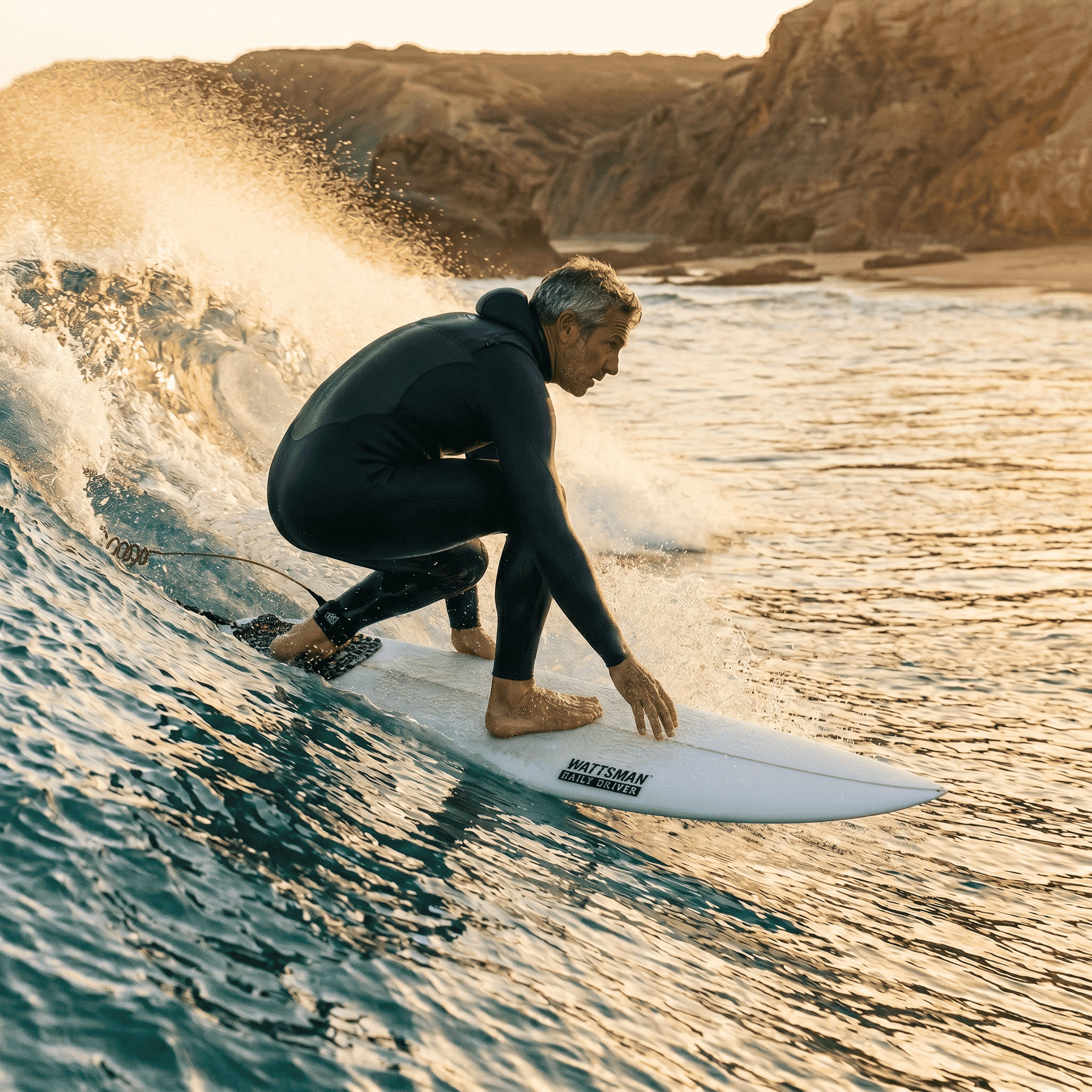
Having spent over two decades chasing swells across the globe—from the crowded, neon-lit line-ups of Bali to isolated, wind-swept points in cold-water Patagonia—I have lived on both sides of this coin. I have enjoyed the effortless luxury of a boat-dock surf camp where hot meals and local guides await your every back-hand turn. Conversely, I have also spent freezing nights huddled in a rusted van with a blown radiator, waiting out a storm in Baja, wondering if the flat tire was worth the empty, perfect point break I rode at dusk. Both paths offer a doorway to the ocean, but they cater to entirely different states of mind, budgets, and surf abilities.
Before you pack your board bag and seal the zippers with duct tape, it is vital to have a clear roadmap. While we lay out the broad strokes of ocean exploration in The Ultimate Surf Travel Guide, today we are standing at a specific, practical fork in the road. Let us dissect the mechanics, the costs, the highs, and the inevitable headaches of surf camps versus DIY surf trips so you can choose the journey that aligns with your surfing soul.
The Surf Camp Experience: All-Inclusive Wave Hunting
The Pros of Surf Camps: Speedrunning Your Progression
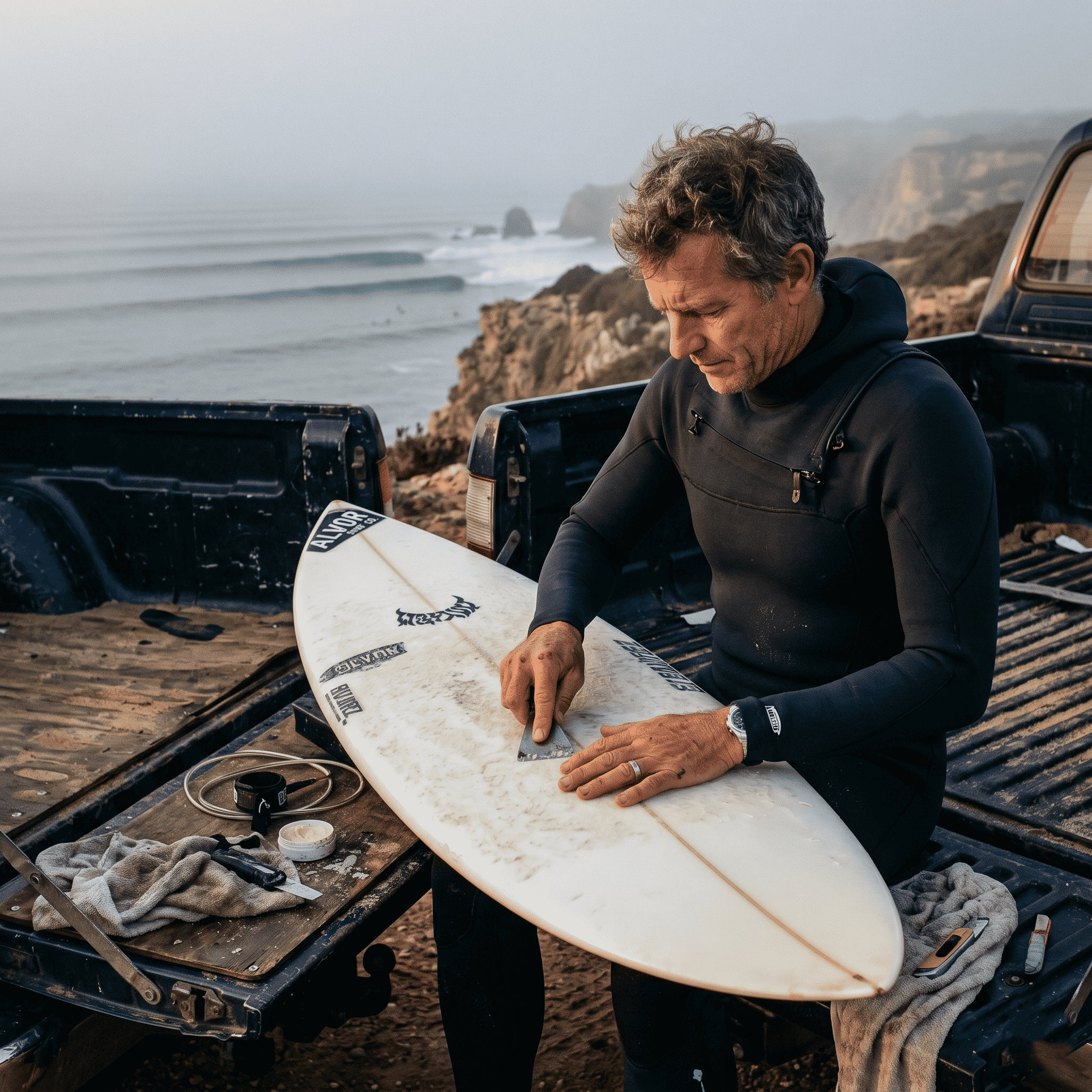
In my early years of surfing, I tried to figure out everything on my own. I pearled my nose in two-foot shorebreak, got caught in terrifying rip currents, and put my fins in backward more times than I care to admit. It was a slow, sometimes bruising education. When I finally spent a week at a dedicated surf camp in Southwest France, the contrast was eye-opening. Surf camps are designed to eliminate the exhausting, non-surfing logistics that consume your energy on a trip.
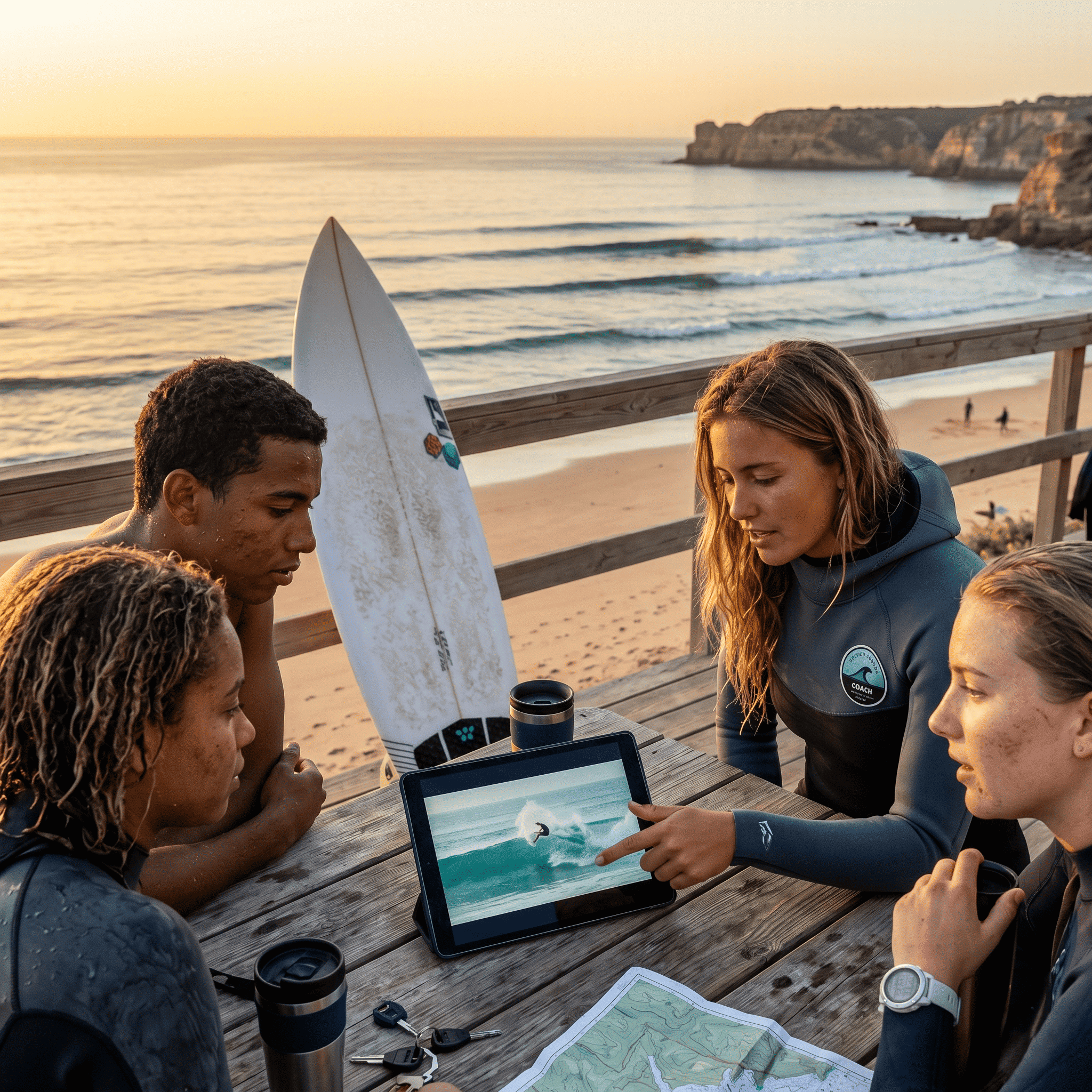
The primary benefit of a surf camp is accelerated learning. You are not just paying for a bed and a bowl of morning smoothie; you are paying for professional coaching, daily video analysis, and local knowledge. Having a coach point out that your back knee is collapsing inward or that you are looking down at your board instead of down the line can save you years of bad habits.
Furthermore, camps take the guesswork out of the ocean. The camp guides know exactly which reef works on a mid-tide with an incoming south swell and a light easterly wind. They wake you up, put you in a van, and drop you right at the channel. For beginners and intermediate surfers looking to improve quickly, this structure is priceless.
The Cons of Surf Camps: The Bubble and the Bill
However, that convenience comes at a premium, both financially and experientially. Surf camps are highly structured, which can sometimes feel restrictive. When you are in a camp, you run on their schedule. If the camp decides to surf the crowded beach break down the road because it is safe for the group, you go there—even if your soul is crying out to explore that quiet, rocky cove you saw on the drive-in.
You also live in a surf bubble. You eat with the same people, ride in the same vans, and sleep in the same lodges. While this is fantastic for solo travelers looking to make friends, it can insulate you from the authentic local culture. You might leave the country having conquered a few clean green waves, but without ever having a conversation with a local family or eating at a roadside stall where no one speaks your language. And finally, there is the price tag. All-inclusive convenience is never cheap. You are paying for their infrastructure, their staff, and their peace of mind, which can easily double or triple the daily cost of a self-guided adventure.
The DIY Surf Trip: Freedom, Flat Tires, and Hidden Peaks
The Pros of DIY Trips: The Romance of Pure Autonomy
There is nothing quite like the feeling of throwing your boards on a heavy-duty soft-rack from a trusted transport specialist like Thule, pulling out a topographical map, and driving into the unknown. A DIY (Do-It-Yourself) surf trip is the ultimate expression of the surf ethos. You are the captain of your own ship. If you want to wake up at 4:30 AM to catch the glassy first light at an exposed beach break, you can. If you want to drive five hours down a dirt track because a local fisherman whispered about a peeling left-hander behind a lighthouse, no one is stopping you.
DIY trips are also incredibly cost-effective. By booking your own budget guesthouses, cooking your own meals of local rice, beans, or fresh fish, and split-renting a 4×4 with a couple of trusted surf buddies, you can stretch your budget for months instead of weeks. More importantly, DIY travel forces you to engage with your environment. You learn to read the charts yourself, analyze the bathymetry of the reefs, track the sandbars, and watch the weather patterns. When you finally score a perfect, uncrowded session on a DIY trip, the reward is twice as sweet because you earned every single drop of that salt water through your own intuition and effort.
The Cons of DIY Trips: The High Price of Errors
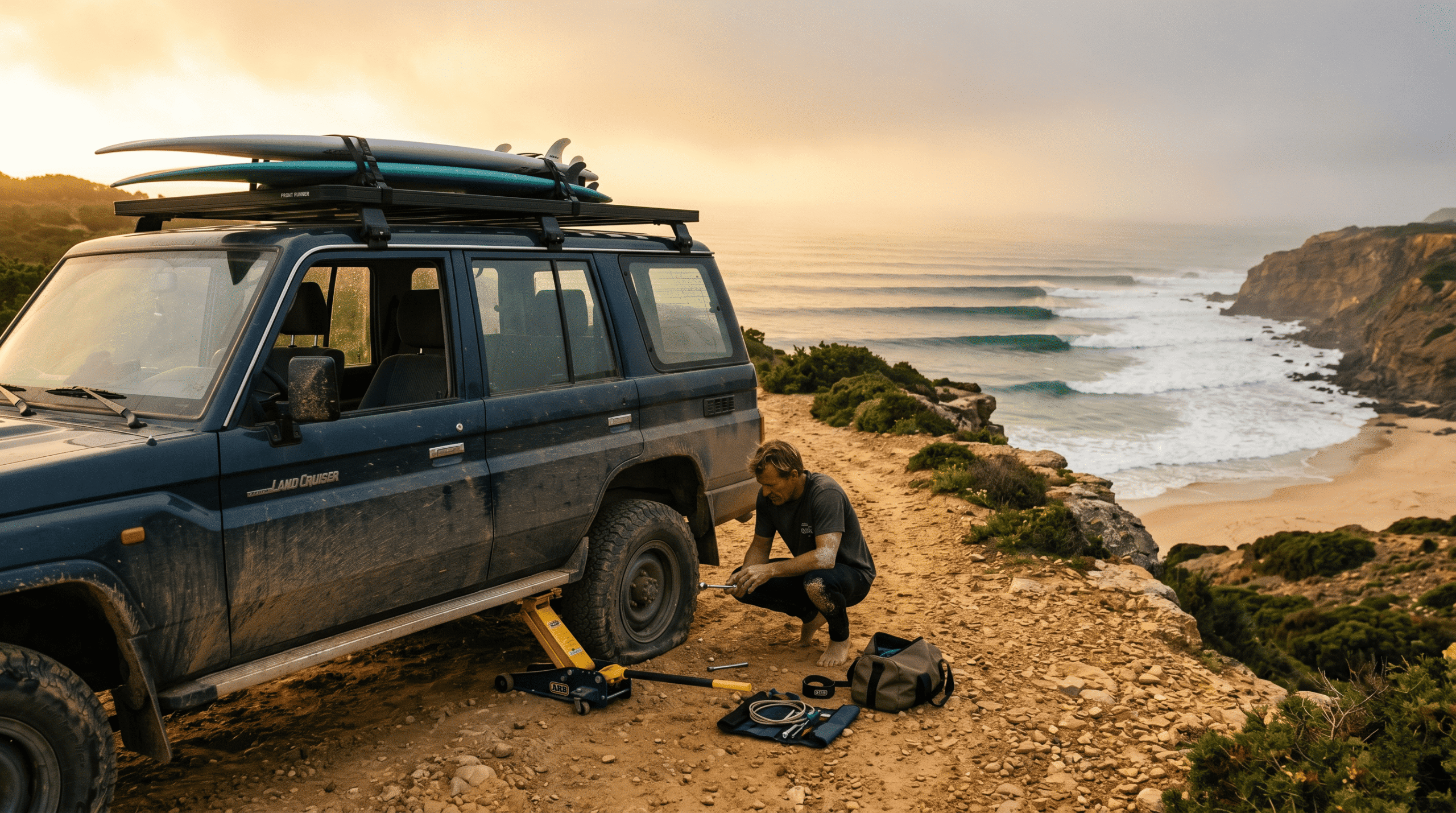
But make no mistake: DIY surf travel is not all sunset beers and empty lineups. It demands a high level of self-sufficiency and emotional resilience. When things go wrong—and they always do on a DIY trip—you are the one who has to solve them. I’ve found myself stranded on remote roads with a shredded tire and no cell service, dealing with severe reef cuts without a medical clinic nearby, and accidentally paddling out at a heavily localized reef where my presence was met with cold, hard glares.
If you do not know how to read a surf forecast, you might spend half your trip driving from spot to spot, showing up to closed-out, blown-out beaches, wasting precious time and fuel. Furthermore, the physical toll of organizing your own food, driving long hours on unfamiliar roads, and constantly assessing ocean hazards can leave you exhausted. If you are a beginner, a DIY trip can sometimes be downright dangerous. Without a guide to warn you about hidden boil rocks, fierce lateral currents, or local lineup dynamics, you can quickly find yourself in over your head, fighting for your life in the impact zone.
Surf Camps vs DIY Surf Trips: Head-to-Head Comparison
To help you visualize where your priorities lie, let us stack these two travel philosophies side-by-side across the key pillars of surf travel. Think about what your current surfing level is, your budget, and how much mental energy you want to expend on logistics.
| Feature / Metric | Surf Camp Experience | DIY Surf Trip |
|---|---|---|
| Average Cost | High (All-inclusive premium, coaching fees, lodging). | Low to Moderate (Highly customizable to your budget). |
| Logistical Effort | Near Zero (Airport transfers, meals, and transport provided). | High (You arrange car rentals, routing, food, and stays). |
| Skill Progression | Rapid (Structured coaching, surf theory, and video analysis). | Trial-and-Error (Self-taught or peer feedback only). |
| Wave Access & Timing | Guided (Saves time but limited to group-friendly spots). | Exploratory (Total freedom to chase any spot at any hour) |
| Safety & Support | Excellent (In-water coaches, first-aid, localized knowledge). | Self-Reliant (You must assess hazards, tides, and first aid). |
| Cultural Immersion | Insular (Mostly interact with other tourists/staff). | High (Direct interaction with local communities, food, and life). |
How to Choose: Which Path is Right for You?
Choose a Surf Camp If…
You should book a surf camp if your primary goal is to improve your surfing technique in a safe, supportive, and highly efficient environment. If you only have one week of vacation per year, do not waste four days of it trying to find the right breaks, getting lost on unpaved roads, or eating bad street food that leaves you bedridden. A camp is also the ultimate choice for solo travelers.
The shared kitchen tables, the communal van rides, and the shared stoke after a sunset session create an instant family. If you are a beginner who cannot yet consistently pop up, or an intermediate surfer stuck on a progression plateau, the investment in a high-quality camp with professional coaching is worth every single penny.
Choose a DIY Surf Trip If…
You should pack your bags for a DIY adventure if you have a healthy dose of ocean experience, a flexible timeline, and a deep-seated desire for raw adventure. If you can read a surf forecast, understand how swell direction affects your favorite point break, and know how to safely navigate a crowded lineup with respect, the freedom of a DIY trip is unmatched. It is also the perfect fit for surfers traveling in a tight-knit group of friends who can share the driving, cooking, and accommodation costs.
If you find comfort in the unpredictable, enjoy the puzzle of deciphering coastal weather patterns, and want to experience a country on its own terms—without the polished filter of a resort—then the DIY path is your calling.
Insider Tips for Maximizing Both Options
Over the years, I have learned a few hard truths that can turn a mediocre trip into a legendary one, regardless of which route you choose. Here is some distilled ocean wisdom to keep in your back pocket:
- The “One-Step-Down” Camp Trick: If you book a surf camp, always ask to be placed in a group that is slightly below what you think your level is for the first day. It is far better to be the best surfer in the intermediate group—building confidence, catching heaps of waves, and fine-tuning your basic turns—than to be terrified and out of your depth in the advanced group, wasting your energy duck-diving sets you can’t handle.
- The Lineup Protocol for DIYers: When arriving at a new DIY spot, never park your car, throw on your suit, and run straight into the water. Sit on the beach or cliff for at least twenty minutes. Watch where the locals paddle out, where the sweep is pulling, where the rocks are hiding, and how the crowd behaves. When you paddle out, do not go straight to the peak. Sit on the shoulder, smile, greet the locals, and wait your turn. Respect in the ocean is a currency that opens up the best waves.
- Pack a Comprehensive First-Aid Kit: On a DIY trip, you are your own lifeguard. Always pack medical-grade waterproof tape, antiseptic solution, a suture kit, clean gauze, and broad-spectrum antibiotics. A minor scratch from a live coral reef can turn into a limb-threatening infection within 48 hours in the tropics if not cleaned and treated immediately.
- Always Carry Two Boards: If you are traveling DIY, never rely on a single surfboard. Snapping a nose or losing a fin plug on day two of a swell in a remote area can end your trip instantly. Pack a reliable “all-rounder” and a slightly heavier “step-up” board for when the swell pulses.
Frequently Asked Questions
Is a surf camp worth it for an experienced surfer?
Yes, but you must choose carefully. Avoid beginner-centric “surf schools” and instead look for high-performance coaching clinics or guided surf charters. For advanced surfers, a guide with a fast boat can drop you directly onto remote, heavy reef passes that are nearly impossible to access from land, saving you hours of paddling and potential injury.
How do I manage safety on a remote DIY surf trip?
Never surf alone in remote areas. Always let someone on land know where you are going and when you expect to return. Study the tides carefully—some reef breaks that are perfectly safe at high tide become dry, bone-breaking ledges at low tide. Carry a satellite communication device if you are heading deep off the grid.
Is DIY surfing always cheaper than a surf camp?
Not always. If you are a solo traveler renting a car, paying for solo accommodation, and buying all your gear rentals, a budget-friendly surf camp can actually end up being more economical because of shared group costs. DIY becomes highly cost-effective when you share expenses with a group of friends or travel long-term.
How do I avoid localism on a self-guided trip?
Keep your group size small (no more than two or three people paddling out at once). Do not take photos of locals without permission, and never post specific locations or GPS coordinates on social media. Yield the first few waves of your session to locals, even if you have the inside position. Humility is your best shield against local hostility.