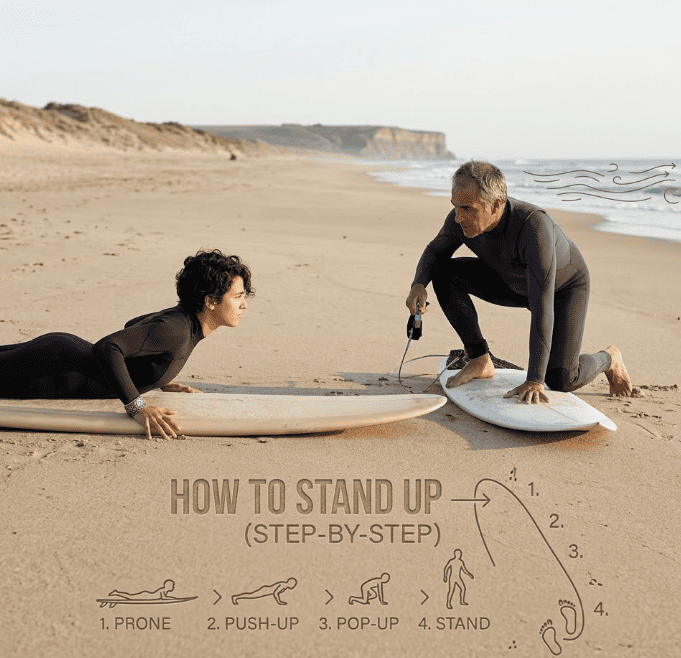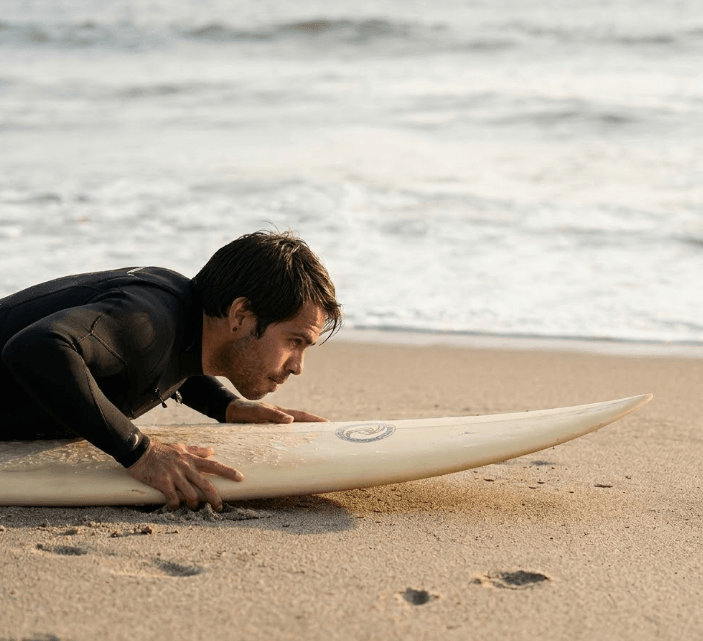
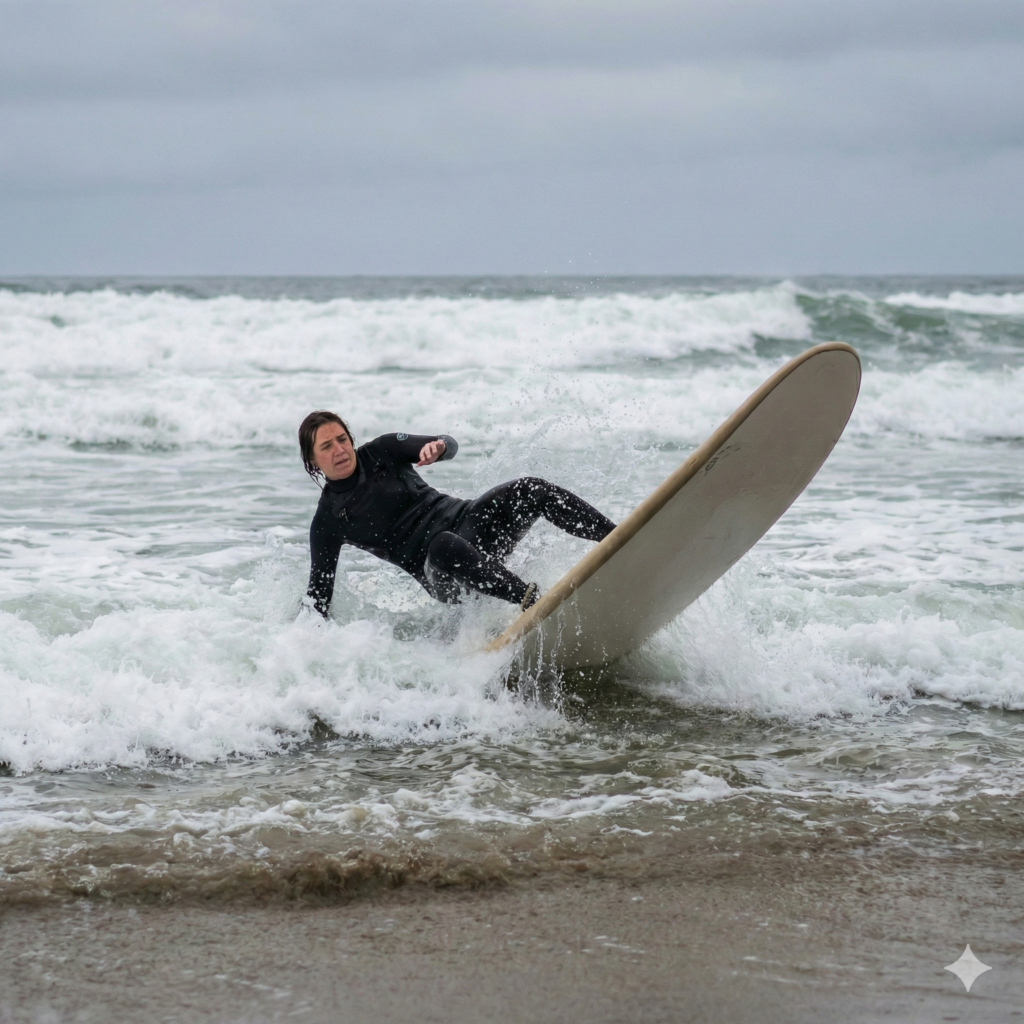
Let’s cut right to the chase: Is surfing hard to learn? Yes. It is arguably one of the most difficult, frustrating, and exhausting sports you can ever try to master.
When you watch a seasoned surfer, it looks like magic. They paddle effortlessly, pop up in a split second, and glide across the water with complete control. But the reality for a beginner is entirely different. You are not just learning a new physical skill; you are learning how to read a constantly moving, unpredictable, and incredibly powerful force of nature.
However, if you are reading this because you are intimidated, don’t walk away just yet. The learning curve is notoriously steep, but the reward on the other side is unlike anything else on earth. Let’s break down exactly why it’s so hard, what to expect, and why it is absolutely worth the struggle.
The Short Answer: Yes, But It’s Worth Every Wipeout
When I started surfing, it genuinely felt like it was almost impossible. The first time I got into the water, determined to stand on the board, I ended up tumbling and swallowing saltwater more than I was actually floating.
I remember watching other people stand up with ease while I couldn’t even manage to get to my feet without falling flat on my face. There were moments, honestly, when I seriously thought about quitting. The exhaustion, the salt in my eyes, and the constant wipeouts make you question if all that effort is really going to pay off.
But here is the secret: every single surfer you see riding perfectly went through that exact same phase of feeling completely useless.
Why is Surfing So Difficult? The Two Main Battles
Unlike skateboarding or snowboarding, where the concrete or the mountain stays still while you move, surfing takes place in a dynamic environment. The “field” is constantly shifting. You have to fight two distinct battles simultaneously.
The Physical Toll: Muscles You Didn’t Know You Had
Surfing is essentially 90% paddling and 10% riding. Before you even get the chance to stand up, you have to paddle through incoming waves, fight currents, and position yourself correctly. It demands incredible upper body strength, core stability, and cardiovascular endurance.
Your shoulders will burn, your lower back will ache from arching on the board, and you will be out of breath faster than you expect.
The Mental Game: Frustration and the Ocean’s Unpredictability
What I quickly discovered, however, is that surfing is much harder mentally than it is physically in the beginning. Yes, paddling and balancing are exhausting, but what really weighs you down is the frustration, the uncertainty, and that creeping feeling that you are never going to get it.
Learning to read the ocean, anticipating where the waves will break, and accepting that every single fall is just part of the process requires immense patience and a cool head. It’s a mental game of endurance. That frustration is exactly where most beginners give up, and I nearly threw in the towel a couple of times myself.
How Long Does It Actually Take to Learn?
If you want a realistic timeline, forget the idea of becoming a competent surfer in a weekend.
For me, it took several months of consistent practice to feel like I was actually* surfing. I’m not talking about just surviving for two seconds on the whitewater. I mean understanding how to move, how to choose the right green wave, and how to glide along the face of it without overthinking every single movement.
Days 1-5: You will learn to balance on your stomach, paddle, and hopefully pop up in the broken whitewater.
Weeks 2-4: You start catching unbroken waves (green waves), but you will likely nose-dive (pearl) or wipe out frequently.
Months 3-6: With consistent practice, you start riding along the face of the wave, learning basic turns, and developing the ocean awareness that makes everything click.
The Tipping Point: When the Frustration Disappears
If the physical pain and mental frustration are so high, why do millions of people obsess over this sport? Because of the tipping point.
What made all the struggle worth it for me wasn’t catching a massive, perfect wave. It was those small moments where you finally connect with the ocean and everything just clicks: the board glides, the water rushes under your feet, and for a split second, it feels like the whole world disappears.
Those seconds of pure freedom and happiness are deeply addictive. That feeling is exactly why every fall, every mistake, and every moment of frustration you experienced in the beginning suddenly makes perfect sense. Surfing isn’t easy, but when you finally get it, you realize it was worth every ounce of effort.
How to Make the Learning Curve Less Painful
The harsh truth is that surfing is hard to learn, but you don’t have to make it harder than it needs to be. The biggest mistake beginners make is trying to figure it all out by trial and error, using the wrong equipment, or picking the wrong beaches.
You can drastically reduce your frustration by mastering the fundamentals *before* you paddle out. If you are serious about getting past the wipeout phase and actually enjoying the ride, you need a solid foundation.
To learn the exact steps, techniques, and ocean knowledge you need to succeed, dive into our Ultimate Guide to Surfing for Beginners: How to Start and Not Give Up We cover everything from the perfect pop-up to surviving your first major wipeout.
Don’t quit. Embrace the struggle. The best ride of your life is waiting just past the break.
Frequently Asked Questions (FAQ) About Learning to Surf
Is surfing harder to learn than snowboarding or skateboarding?
Yes, for one primary reason: the environment. In snowboarding or skateboarding, the mountain or the concrete is static. In surfing, the ocean is constantly moving. You have to learn to read the waves, manage currents, and paddle into a moving target before you even attempt to stand up and balance.
Can I learn to surf if I’m out of shape?
You can start, but you will progress much slower and tire out quickly. Surfing demands significant cardiovascular fitness, upper body strength for paddling, and core strength for popping up. Improving your general fitness, particularly through swimming and yoga, will make learning to surf drastically easier.
Am I too old to learn how to surf?
Absolutely not. While younger people might have an edge in natural flexibility and fearlessness, adults of any age can learn to surf. The key is to start on a large, stable foam board, choose beginner-friendly waves, and focus on slow, steady progression rather than trying to do aggressive maneuvers right away.