When Is Surf Season Around the World? Your Global Guide to Swells
There is a unique stillness that happens just before dawn on a coast waiting for a new swell. You sit on the tailgate of your truck, the smell of paraffin wax and cool morning air mixing in your lungs, listening to the low, rhythmic thump of waves hitting the reef. If you have been in this game long enough, you know that the ocean does not keep a standard calendar. It breathes, shifts, and fires according to a complex global engine of atmospheric pressure and deep-ocean bathymetry.
Understanding when and where these engines turn on is the difference between booking a trip of a lifetime and staring at a flat, wind-blown puddle. The ocean is always breaking somewhere; you just need to know which coastline is waking up. If you are already packing your board bag and looking at flight schedules, check out our comprehensive roadmap in The Ultimate Surf Travel Guide to dial in your gear list, travel logistics, and safety protocols before you head out.
In my two decades of chasing storms across both hemispheres, I have learned that surf seasons are not suggestions—they are governed by rigid physical laws. Let us break down the global wave calendar so you can match your skill level with the right swell window, whether you are looking for gentle, rolling gliders or heavy, hollow barrels.
The Mechanics of Swell: How Surf Seasons Work
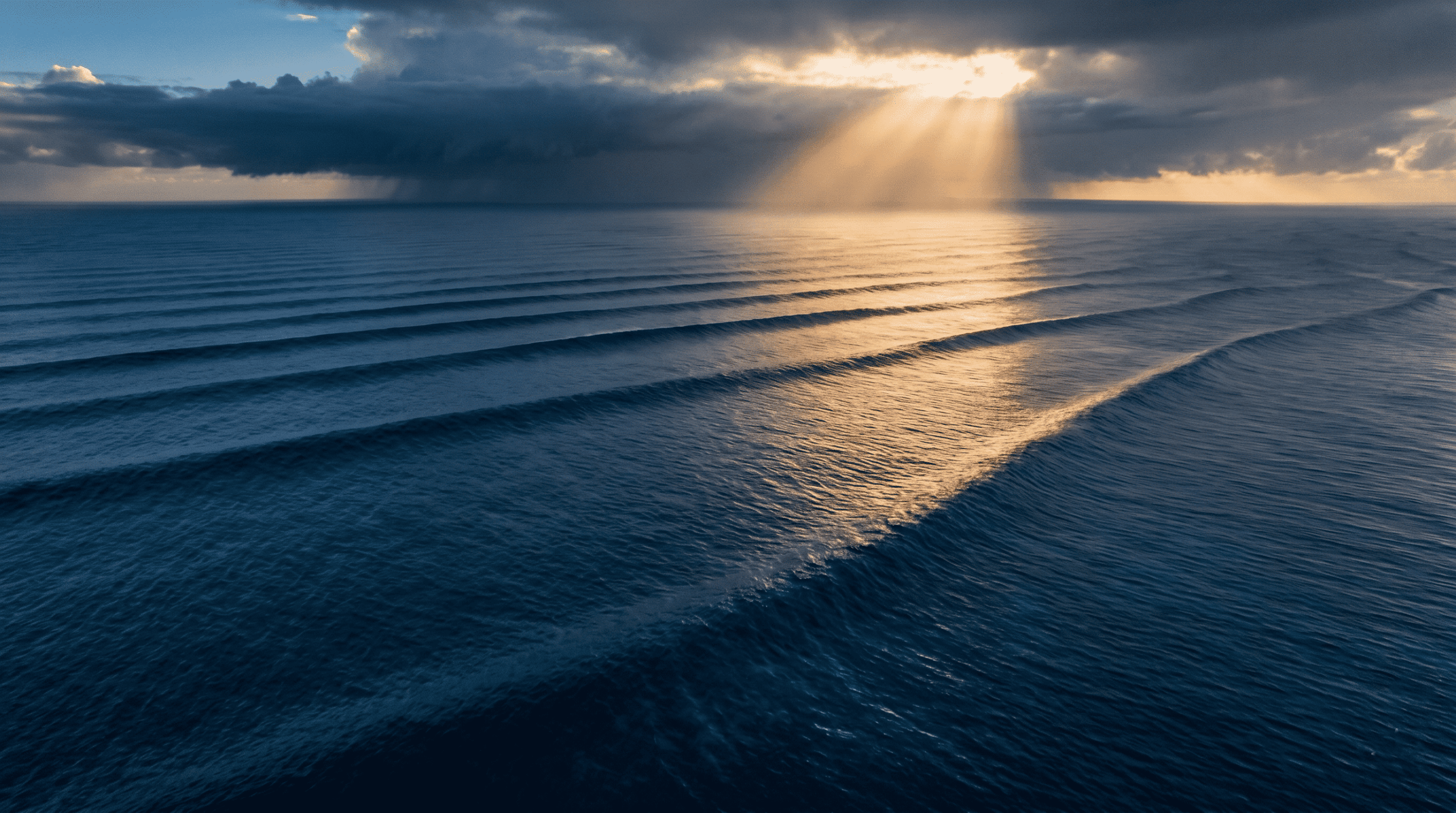
To score perfect waves, you must first understand how they are made. Waves do not start at the beach; they are born thousands of miles away in the violent, wind-whipped expanses of the world’s great oceans. When deep low-pressure systems hover over the water, their winds transfer kinetic energy to the surface, creating raw windswell. As these waves travel away from the storm track, they organize into clean, long-period lines called groundswell.
The global surf calendar is divided by hemispheres. During the Southern Hemisphere’s winter (May to September), massive storms spin around Antarctica, sending consistent, powerful groundswells heading north toward Indonesia, Tahiti, South Africa, and the Americas. Conversely, during the Northern Hemisphere’s winter (November to March), the North Pacific and North Atlantic take over, throwing heavy, cold-water energy toward Hawaii, California, Europe, and North Africa.
In my experience, many intermediate surfers make the mistake of focusing only on swell size. Swell period—measured in seconds between wave crests—is actually more important. A short-period swell (6 to 9 seconds) is often weak and messy. A long-period groundswell (14 to 20 seconds) packs immense underwater energy. When a 17-second swell hits a shallow reef or sandbar, it grooms the waves into powerful, clean walls that hold their shape. When I tested my first high-performance shortboard in Fiji during a 16-second swell, I realized that wave period completely changes how a board interacts with the face.
North America & Hawaii: The Winter Giants
When the North Pacific ocean begins to churn in late October, the surf community shifts its eyes to the Hawaiian Islands and the West Coast of North America. This is the domain of heavy water, thick wetsuits, and iconic reefs.
Hawaii: The Proving Grounds
From November to February, the North Shore of Oahu becomes the center of the surfing universe. The same storm tracks that generate snow in Alaska send massive NW swells marching straight toward reefs like Pipeline, Sunset, and Waimea. This is not a place for beginners; the waves are incredibly powerful, and the currents can drag you under in seconds. However, if you visit during the summer months (June to August), the North Shore goes flat, and the South Shore (Waikiki and Ala Moana) wakes up with playful, long-interval southern swells—perfect for longboarding and finding your flow.
California & the Pacific Northwest
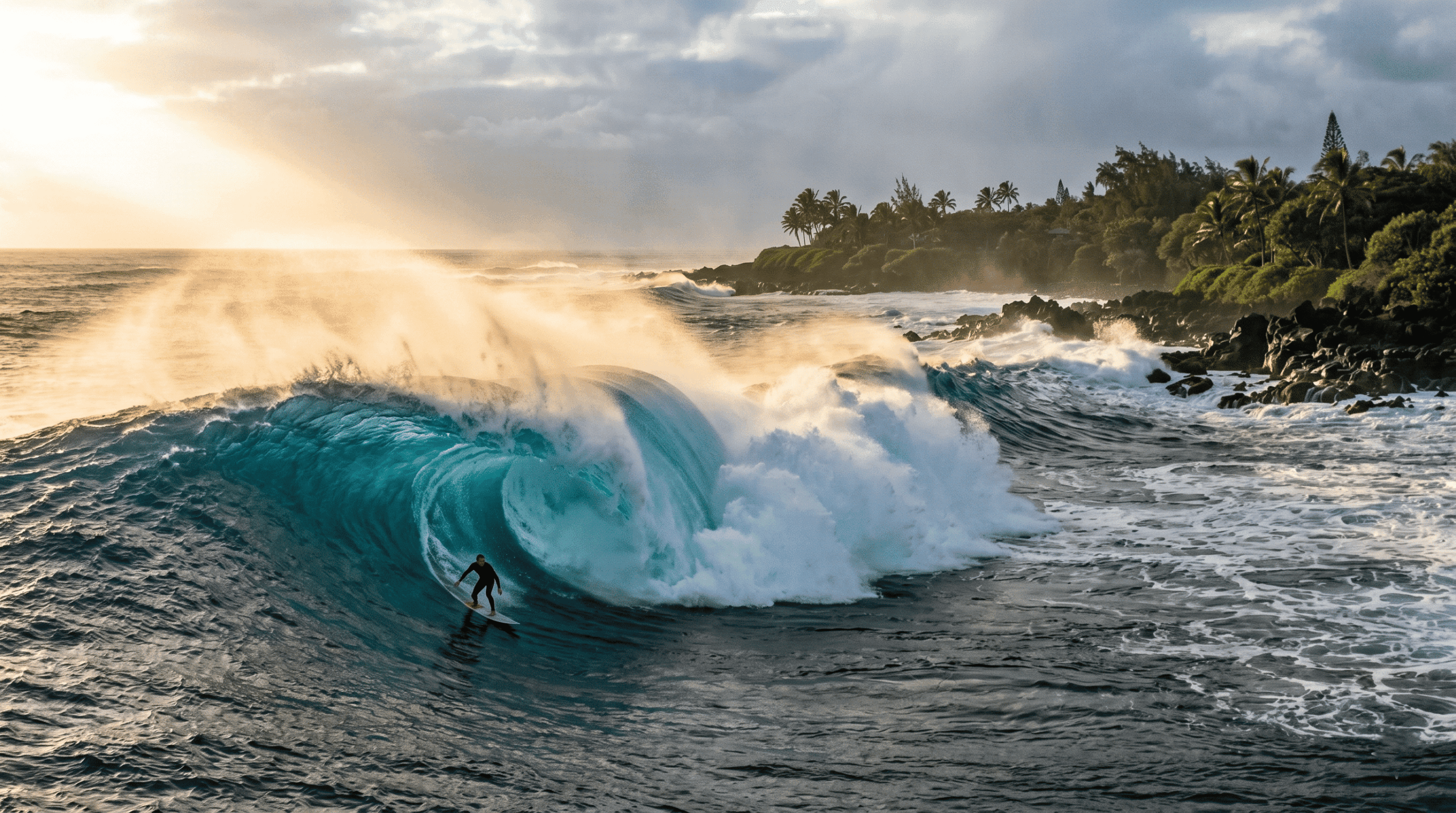
California is a year-round surf destination, but the autumn and winter months (September to March) bring the cleanest conditions. In the fall, hot winds blow from the deserts out to sea, creating beautiful offshore winds that groom the incoming North Pacific swells. In my case, surfing Northern California in November taught me to respect the raw power of cold water and deep-channel reefs. Further north, the Pacific Northwest offers rugged, pine-fringed coves that require thick rubber (usually a 5/4mm wetsuit) and a high tolerance for adventure.
Central & South America: The Southern Swell Highway
If you prefer warm water, trunking it, and long, peeling left-hand point breaks, Central and South America are your sanctuaries. This region relies on the immense storms of the Southern Ocean, which means its prime window aligns with the Northern Hemisphere’s spring and summer.
Central America: Costa Rica, Nicaragua, & El Salvador
From April to October, the South Pacific is incredibly active. Countries like Costa Rica and Nicaragua receive a steady supply of southwest swells. Nicaragua is particularly famous for its consistent offshore winds, caused by Lake Nicaragua creating a natural wind tunnel that blows out to sea nearly 300 days a year. When I surfed El Salvador during a major south swell in June, the water was as warm as a bath, and the right-hand point breaks lined up for hundreds of yards. For beginners, the shoulder surf seasons of March and November offer smaller, highly manageable waves.
South America: Peru & Chile
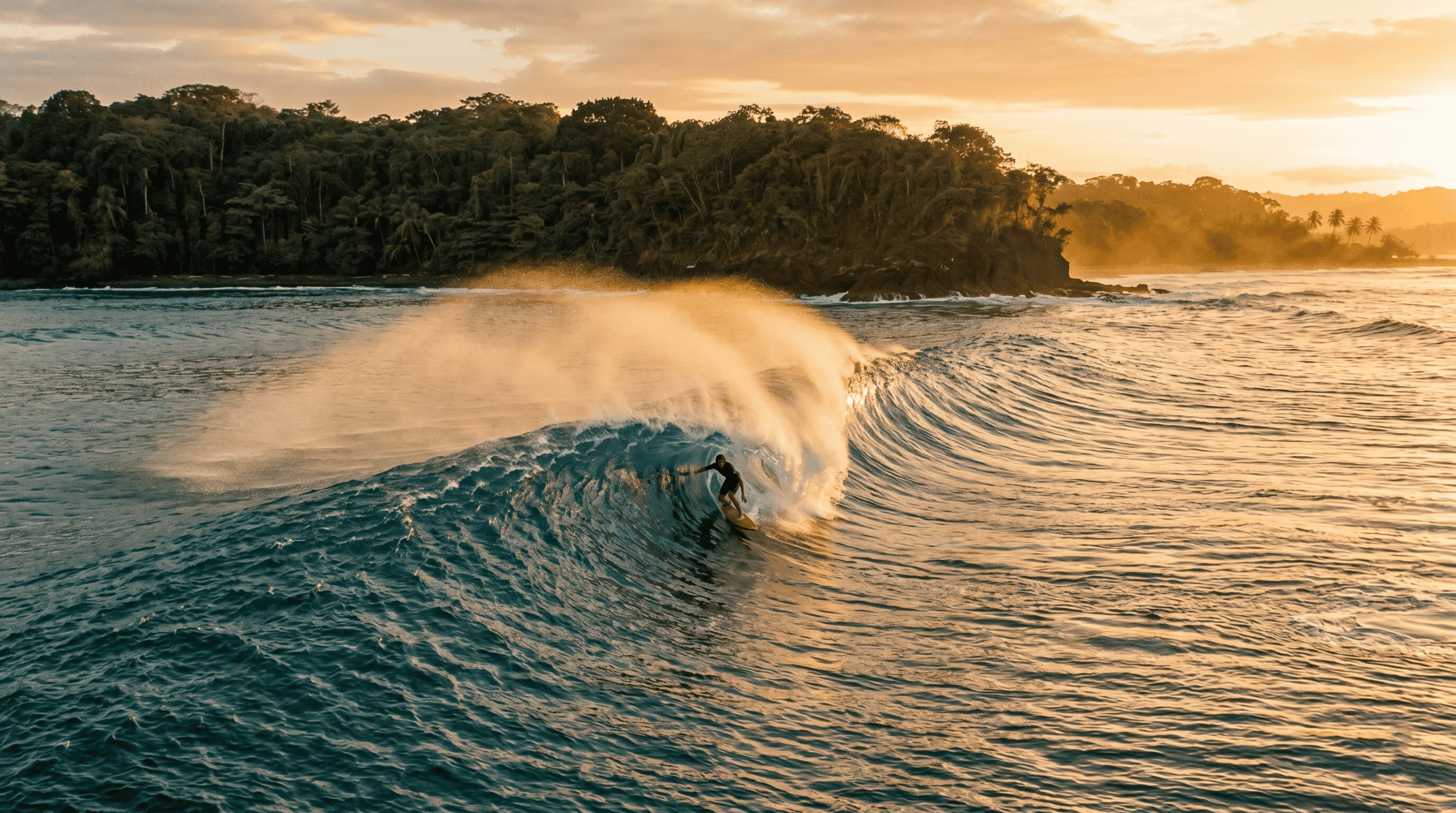
Peru is home to some of the longest left-hand point breaks on the planet, including Chicama, where you can ride a wave until your legs burn. Chile, further south, is a rugged frontier of cold-water lefts that hold massive size. The surf here is highly consistent year-round, but the largest swells hit from May to September. Be prepared for thick wetsuits and dry, desert backdrops that meet cold, nutrient-rich Humboldt Current waters.
Europe & Africa: From Beach Breaks to Deep Atlantic Points
The Atlantic Ocean is a temperamental beast. It can produce some of the most perfect, hollow beach breaks in the world, or turn into a raging, unrideable storm zone.
Europe: The Autumn Sweet Spot
While Europe has waves year-round, autumn (September to November) is the golden window. The Atlantic storm machine begins to wake up, sending clean swells toward Southwest France, Northern Spain, and Portugal. At the same time, the summer crowds depart, and the water remains relatively warm. In my twenty years of traveling, nothing matches the magic of France’s Landes coast in October, when the sandbanks produce barreling peaks right on the sand. For big-wave chargers, winter (December to February) brings monstrous swells to Nazaré in Portugal and Mullaghmore in Ireland.
Africa: Morocco & South Africa
Morocco is a right-hand point break paradise that shines from November to March, acting as a natural swell catcher for the North Atlantic. South Africa, on the other hand, faces the raw power of the Southern Ocean. Places like Jeffrey’s Bay (J-Bay) offer legendary, fast right-hand points. The peak surf season here is the southern winter (June to August), which brings cold offshore winds and highly consistent groundswells.
The Indo-Pacific: The Land of Perfection
For many surfers, the islands scattered across the Indian and Pacific Oceans represent the ultimate dream. Here, deep ocean trenches and perfectly formed coral reefs turn raw energy into mathematically perfect waves.
Indonesia: The Dry Surf Season Pilgrimage
Indonesia is perhaps the most reliable surf destination on Earth. The dry surf season (May to September) coincides with the strongest Southern Ocean storms. Trade winds blow consistently offshore on the west-facing coasts of Bali, Sumatra, Java, and the Mentawai Islands, creating pristine, glassy barrels day after day. If you want to avoid the crowds, the wet shoulder seasons (October and April) still offer plenty of waves, often with light, variable winds that make both sides of the islands rideable.
Australia & Fiji
Australia’s East Coast (the Gold Coast and Noosa) is famous for its sand-bottom point breaks, which fire during the cyclone surf season (January to April). The southern coast and West Australia receive raw, powerful swells year-round, peaking from May to August. Fiji, sitting in the South Pacific, is a premier destination for reef breaks like Cloudbreak and Restaurants, which light up during the southern hemisphere winter with long-period groundswells.
Global Surf Season Comparison Table
To help you visualize your year of travel, here is a quick-reference guide to help you match your target destination with the correct swell window and your personal skill level.
| Region / Destination | Peak Surf Season Months | Water Temperature | Best For | Primary Swell Source |
|---|---|---|---|---|
| Hawaii (North Shore) | November – February | Warm (74–78°F / 23–26°C) | Advanced / Professional | North Pacific Lows |
| Hawaii (South Shore) | June – August | Warm (78–82°F / 25–28°C) | Beginners / Intermediates | Southern Ocean Storms |
| California (SoCal) | September – November | Cool (60–66°F / 15–19°C) | All Skill Levels | North & South Pacific Mix |
| Central America | April – October | Warm (80–84°F / 26–29°C) | All Skill Levels | South Pacific Groundswells |
| Southwest France | September – November | Cool (62–68°F / 16–20°C) | Intermediate / Advanced | North Atlantic Depressions |
| Indonesia | May – September | Warm (80–84°F / 26–29°C) | Intermediate / Advanced | Southern Ocean / Roaring Forties |
| Gold Coast, Australia | January – April | Warm (74–78°F / 23–26°C) | All Skill Levels | South Pacific Cyclone Swells |
Insider Secrets to Scoring Perfect Waves
If you only read the brochures, you will end up showing up to a famous spot with a hundred other people, fighting for scrap waves in onshore winds. True watermen know how to read between the lines of a forecast. Here are three rules I live by when planning a trip:
- The Mid-Tide Rule: Many of the world’s best reef breaks and point breaks are highly tide-sensitive. A spot might look completely flat or dangerously dry at low tide, only to turn into a mechanical machine on the incoming mid-tide. Never judge a spot by a single look; sit and watch it through a full six-hour tide cycle.
- Understand the Local Diurnal Wind Pattern: In most parts of the world, the land heats up faster than the ocean. This creates an onshore breeze by midday. To get the cleanest, glassiest conditions, you should almost always plan to be in the water at first light, or wait for the evening “glass-off” when the wind dies down as the land cools.
- Respect the Local Community: When you travel to a new spot, you are a guest in someone else’s home. The locals who surf there every day have put in years of time in that lineup. Paddle out with a smile, sit on the shoulder, watch how the lineup moves, and wait your turn. Your respect will often be rewarded with a wave tips from the locals that you would never find on a map.
Frequently Asked Questions
Is there a place where it is always surf season?
Yes. Many equatorial regions, such as parts of Central America (Costa Rica and Panama) and certain islands in Indonesia, have waves 365 days a year. While the size and wind directions will shift throughout the year, you can almost always find a rideable wave if you are willing to explore different sides of the coast.
What is the best surf season for absolute beginners?
For beginners, the summer months in either hemisphere are generally best. In the Northern Hemisphere, June to August brings smaller, gentler windswells to places like California, Hawaii, and Europe. In the Southern Hemisphere, the shoulder surf seasons of spring and autumn offer mellow, clean waves without the heavy winter power.
How do I know if a swell is too big for my skill level?
Always check the local surf forecast using platforms like Surfline, paying close attention to both wave height and swell period. If you arrive at the beach and feel a tightness in your chest or hesitate to paddle out, trust your instinct. It is always better to watch from the sand and live to surf another day than to get caught in a dangerous situation.
Does rain ruin a surf season?
Rain itself does not ruin waves, but it can affect water quality and wind patterns. In tropical places like Indonesia, the wet surf season brings shifts in wind direction, which actually makes the east coast of Bali fire. However, in urban areas like Southern California, heavy rain washes street runoff into the ocean, and it is highly recommended to stay out of the water for 72 hours to avoid infection.