Surf Fashion Trends This Year: The Ultimate Guide to Coastal Style and Performance
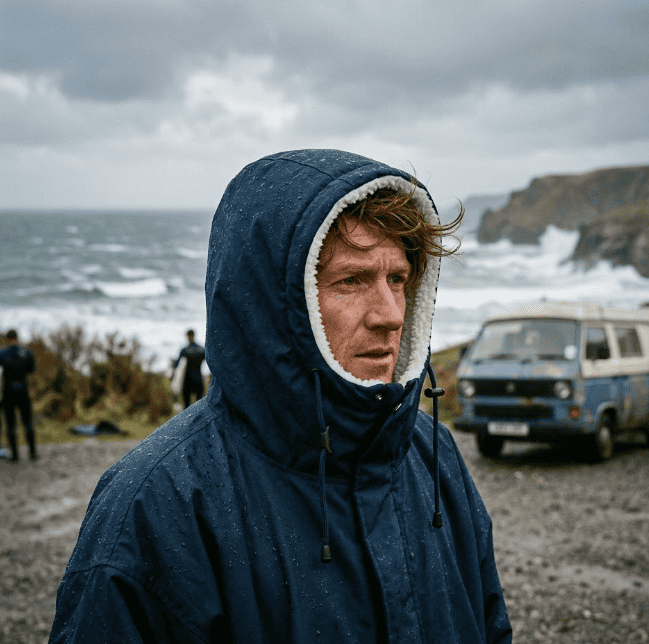
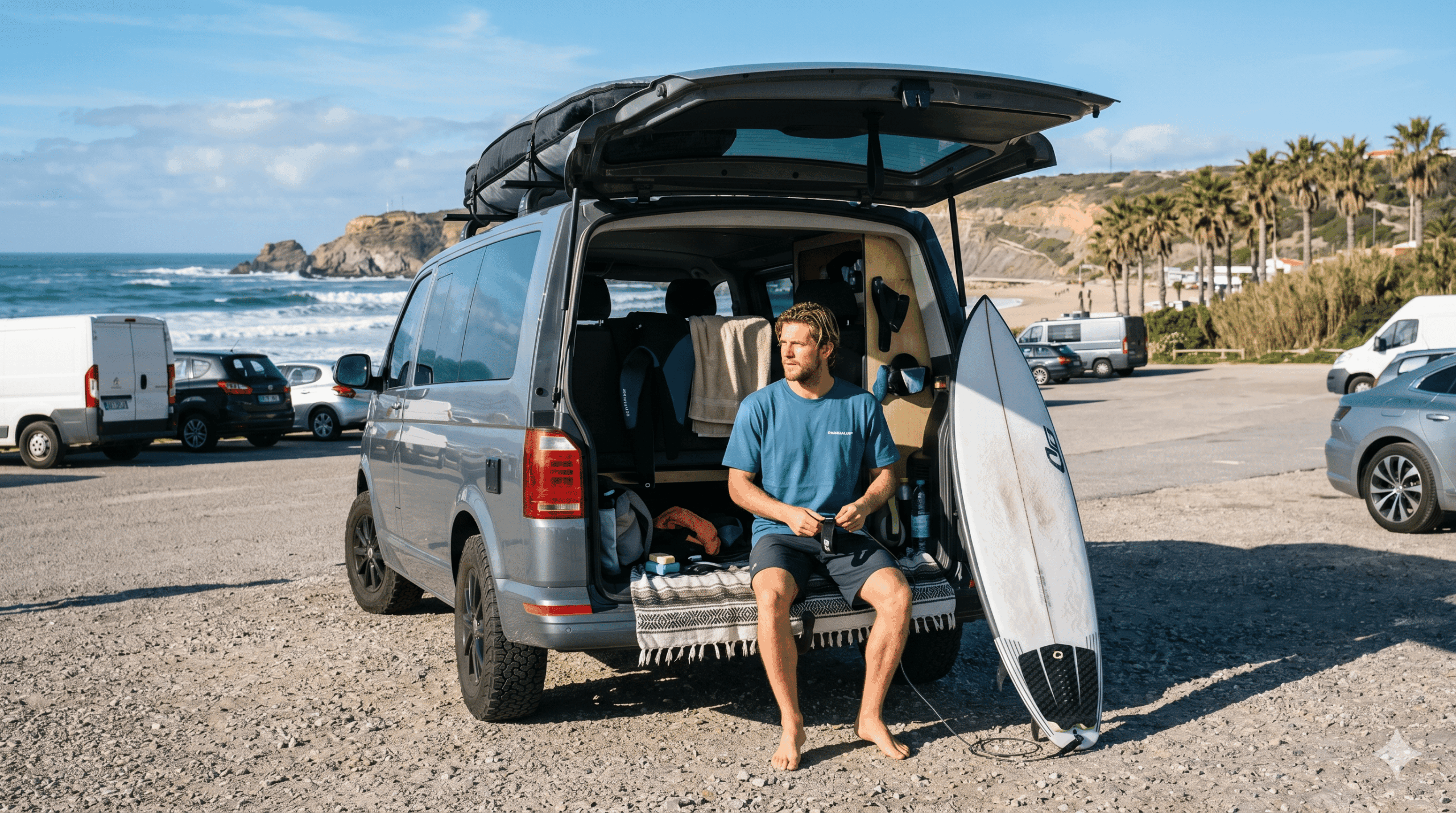
The lineup looks a little different this year. As someone who has spent the better part of two decades watching the tides change from the deck of a battered surf van, I’ve seen trends come and go like sets on a shifting sandbar. But this year, the shift in surf fashion isn’t just about aesthetics; it’s a profound movement toward sustainability, technical utility, and a deep nod to the heritage of the sport. We are moving away from the “fast surf fashion” surf shops of the early 2000s and returning to a world where gear is expected to last, perform, and look timeless under the punishing glare of the sun.
In my early days, we wore whatever was cheap and dried relatively quickly. Today, the modern surfer demands more. Whether you are charging heavy shorebreak or just enjoying a glassy morning longboard session, what you wear dictates your comfort and, ultimately, your time in the water. We are seeing a massive resurgence in retro-inspired silhouettes blended with space-age fabric technologies. From bio-based rubbers to UV-reactive dyes, the “look” of surfing is evolving into a sophisticated intersection of high-performance sportswear and high-street luxury. This year, the trend is clear: if it isn’t functional, it isn’t surf fashionable.
The Sustainable Revolution: Eco-Friendly Materials Leading the Charge
If there is one trend that defines this year more than any other, it is the industry’s aggressive pivot toward environmental consciousness. For years, we relied on petroleum-based neoprene that eventually ended up in landfills. Now, the tide has turned. Brands are increasingly utilizing Yulex (natural rubber), recycled ghost nets, and PFC-free water repellents. When I first tested a Yulex-based suit, I was skeptical about the flexibility, but the latest iterations are indistinguishable from traditional neoprene in terms of stretch and warmth.
Sustainability isn’t just a buzzword; it’s a necessity for those of us who live by the ocean’s rhythm. We are seeing “circularity” become a core design principle. This means boardshorts made from recycled plastic bottles and hemp-blend tees that require significantly less water to produce. The color palettes are reflecting this shift too, with earthy tones like moss green, terracotta, and slate blue dominating the racks. These colors don’t just look great; they age better against the salt and sun than the neon-brights of yesterday. To understand how these materials impact your gear’s longevity and performance, you should check out our Complete Guide to Wetsuits, which dives deep into the technical specifications of modern rubber.
Beyond the materials, the “slow surf fashion” movement has hit the surf world. Surfers are investing in higher-quality pieces that can survive a season of heavy use. I’ve found that a well-made 4-way stretch boardshort with welded seams might cost more upfront, but it prevents the dreaded “thigh rash” during long sessions and lasts three times longer than the budget alternatives. This year, “buying better, not more” is the ultimate style statement in the lineup.
Retro Revival: Bringing Back the Golden Age of Surf
There is a beautiful nostalgia sweeping through surf fashion right now. We are seeing a heavy influence from the late 70s and early 80s—think shorter hemlines on boardshorts, corduroy jackets, and bold, geometric prints. As a mentor to younger surfers, I find it hilarious to see the “scalloped hem” shorts I wore as a kid making a massive comeback. However, these aren’t your father’s stiff canvases. They are reimagined with modern hydrophobic coatings that ensure they don’t hold water or weigh you down after a duck-dive.
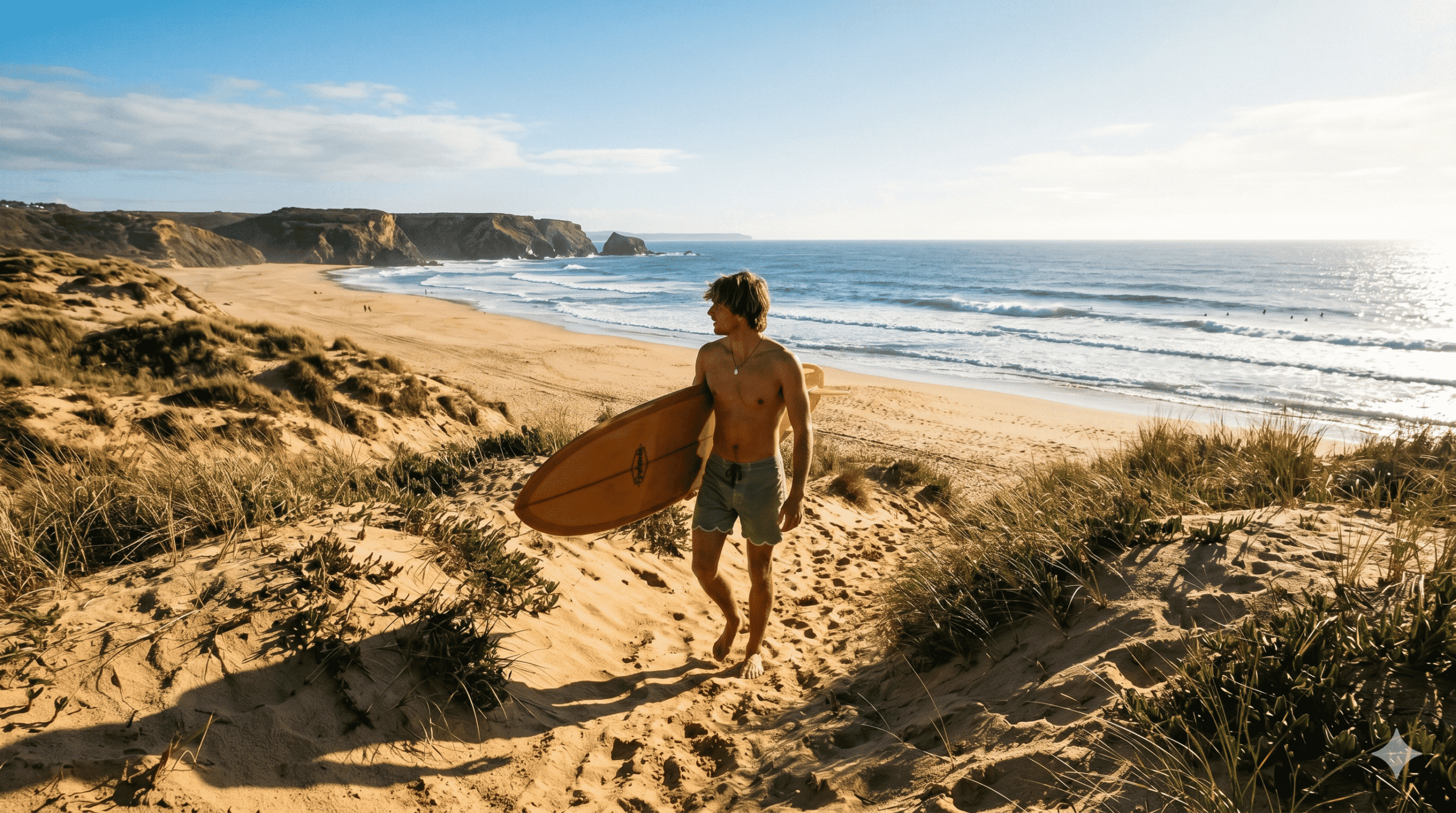
For women, the trend is moving toward high-waisted bottoms, long-sleeve spring suits (the “Jane” style), and functional surf leggings that offer protection against reef scrapes and UV rays without sacrificing style. The aesthetic is “effortlessly cool,” leaning into vintage logos and faded washes that look like they’ve already spent a hundred hours in the sun. It’s a celebration of the era when surfing was less about “extreme sports” and more about the “soul” of the ride.
This retro trend extends to accessories as well. Terry cloth bucket hats and polarized aviators with floating frames are everywhere this season. In my experience, a wide-brimmed surf hat with a chin strap—once considered the mark of a “kook”—is now a legitimate surf fashion staple, especially for those of us who realize that skin cancer is no joke after years of mid-day sessions. The modern surfer isn’t afraid to look a bit “dorky” if it means staying in the water longer and protecting their health.
Performance Meets Aesthetic: Tech-Infused Apparel
Technological integration is the third pillar of this year’s trends. We are seeing a rise in compression-lined boardshorts that provide muscle support and prevent chafing during aggressive maneuvers. In my case, switching to a lined short changed the game for six-hour sessions; the internal compression layer keeps everything in place and reduces muscle fatigue significantly. Furthermore, the rise of “Crossover Wear”—clothing that looks like high-end streetwear but performs like technical gym gear—is catering to the surfer who goes straight from the beach to the office or the coffee shop.
Fabric tech now includes infrared-retaining linings in thermal tops and anti-microbial treatments that prevent that “stale wetsuit” smell from developing in your gear bag. Even the humble rash guard has been redesigned. Forget the tight, suffocating polyester shirts of the past; today’s “surf tees” are loose-fitting, breathable, and offer UPF 50+ protection while looking like a standard premium cotton t-shirt. This versatility is key for the modern traveler who wants to pack light but still have gear that performs in the tropics.
Comparative Analysis: Classic vs. Modern Surf Gear
To help you decide where to invest your hard-earned cash this season, I’ve broken down the key differences between traditional surf wear and the current trending gear.
| Feature | Classic Surf Fashion (2000s) | Modern Surf Trends (This Year) | Personal Recommendation |
|---|---|---|---|
| Materials | Petroleum-based Neoprene / Polyester | Yulex / Recycled Nylon / Organic Hemp | Opt for Yulex for sustainability and longevity. |
| Boardshort Length | Below the knee (21-22 inches) | Above the knee (17-19 inches) | 18 inches provides the best range of motion. |
| Fit | Baggy and oversized | Tailored and ergonomic | Tailored fits reduce drag and prevent tangles. |
| UV Protection | Standard chemical dyes | UPF 50+ rated, knit-in protection | Always check the UPF rating for midday surfing. |
| Aesthetic | High-contrast “loud” logos | Minimalist / Retro-vintage styles | Minimalism stays in style longer; go subtle. |
Essential Accessories and Footwear Trends
Footwear has taken a turn toward the practical yet stylish. The “surf bootie” aesthetic has transitioned into everyday footwear, with brands releasing hybrid sneakers that feature drainage ports and high-traction outsoles for navigating wet rocks or boat decks. I’ve recently swapped my standard flip-flops for a pair of high-arch recovery sandals after a day of walking over uneven terrain to find a secret break, and the difference in foot fatigue is night and day. Orthopedic support is finally becoming “cool” as the core surfing demographic matures.
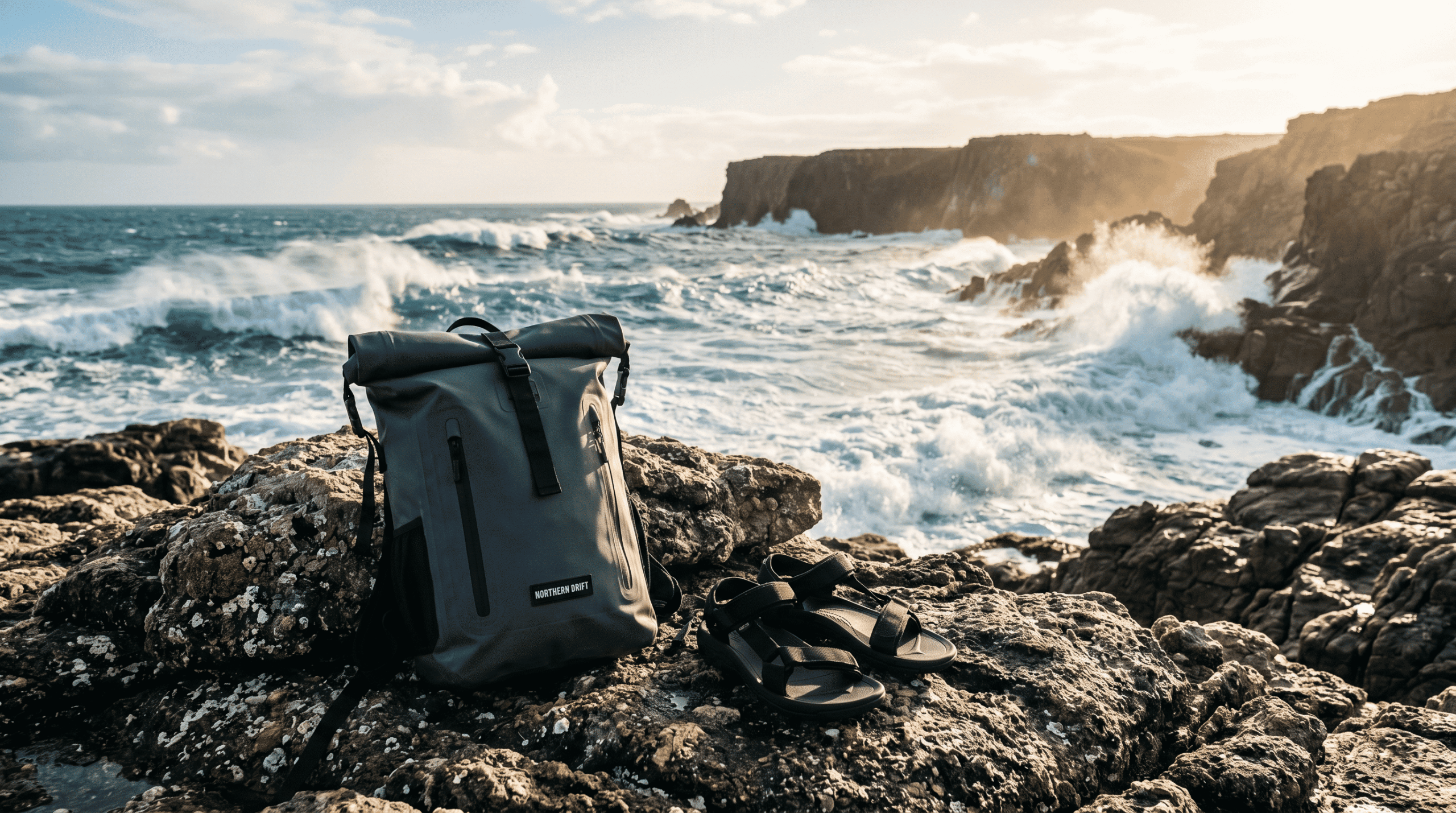
Additionally, waterproof bags and “dry-to-wet” packs have become essential surf fashion statements. This year, roll-top backpacks in matte finishes and muted colors are the preferred way to carry gear. They reflect a lifestyle that is always ready for a spontaneous strike mission. When I’m packing for a trip to Baja or the Mentawais, a reliable 35L waterproof pack isn’t just luggage; it’s a critical piece of equipment that keeps my electronics safe and my wet suit isolated from my dry clothes. The trend is moving toward ruggedized utility that can withstand the salt-mist and sand of the world’s harshest coastlines.
Frequently Asked Questions (FAQ)
What are the most popular colors for surf fashion this year?
This year is dominated by “nature-inspired” palettes. Think muted olives, sandy beiges, deep burgundies, and “Pacific” blues. While neon accents are making a small comeback via retro-style prints, the overall trend is toward colors that blend into the coastal environment rather than clashing with it.
Are shorter boardshorts better for surfing?
Technically, yes. Shorter boardshorts (17 to 19 inches) offer less resistance when you are popping up and prevent the fabric from catching on your knees during turns. From a surf fashion perspective, the “above-the-knee” look is the current standard in the surf community, moving away from the baggy styles of the late 90s.
How do I make my surf clothing last longer?
The number one killer of surf gear is salt and UV rays. Always rinse your boardshorts, rash guards, and wetsuits in fresh, cold water after every session. Never leave them to dry in direct sunlight, as this breaks down the elastic fibers and fades the colors. Hang them in a shaded, well-ventilated area.
Is “Surf Kitsch” still in style?
There is a fine line between “retro-cool” and “kitschy.” This year, the trend is “refined retro.” You can wear a vintage-style floral print, but keep the silhouette modern. Avoid over-the-top tropical patterns and stick to more geometric or faded “heritage” prints to stay on-trend.