The Complete Guide to Wetsuits: Mastering Your Second Skin
There is a specific, quiet ritual that happens at dawn on beaches from Tofino to Torquay. It’s the sound of car doors slamming, the rhythmic “thud-thud” of surfboards being waxed, and the struggled grunts of humans trying to squeeze into neoprene. In my twenty years of chasing swells, I’ve learned that a wetsuit isn’t just a piece of gear; it is your lifeline. It is the difference between a two-hour session of pure flow and a twenty-minute suffer-fest that ends in a shivering retreat to the heater in your van. While performance is key, keeping an eye on surf fashion trends this year ensures you look the part while staying functional
When I first started out, I bought a used suit that was two sizes too big. Every time I duck-dived, a gallon of freezing water would rush down my neck, ballooning the legs and making me feel like a drowning anchor. That experience taught me more about thermal dynamics than any manual ever could. This guide is designed to save you from those mistakes and help you find the “second skin” that will keep you stoked in any temperature.
Choosing the right wetsuit requires a blend of science and intuition. You have to understand the technical specifications—millimeter thickness, seam construction, and neoprene types—while also acknowledging how your own body handles the cold. Some of us are “polar bears” who can surf in a 3/2mm well into autumn, while others are “lizards” who need a hooded 5/4mm the moment the leaves start to turn.
As we dive into this complete guide to wetsuits, remember that the goal is total immersion. You want to forget you’re wearing a suit at all. When the fit is perfect and the tech is right, you become one with the water, moving with the energy of the swell rather than fighting against the chill of the deep.
Understanding Wetsuits Thickness: The Science of Warmth
The most critical decision you will make is the thickness of the neoprene, measured in millimeters. You’ll usually see two or three numbers separated by slashes, such as 3/2 or 4/3/2. The first number represents the thickness of the neoprene in the torso area, where your core organs need the most heat retention. The subsequent numbers refer to the limbs (arms and legs), where thinner material is used to allow for better flexibility and paddling efficiency. Determining the right millimeter for your local break is a science of its own; for a deeper dive into these specifics, see our dedicated guide on how to choose wetsuit thickness.
In my experience, even a 1mm difference feels like a massive shift in mobility. When I’m wearing a 5/4mm in the dead of a North Atlantic winter, my paddle power is significantly reduced compared to the “naked” feeling of a summer 2mm shorty, but the trade-off is the ability to survive in 40-degree water. If you are heading to sub-polar regions or chasing winter swells, you’ll specifically want to check out the best wetsuits for cold water to ensure you don’t cut your session short due to hypothermia.
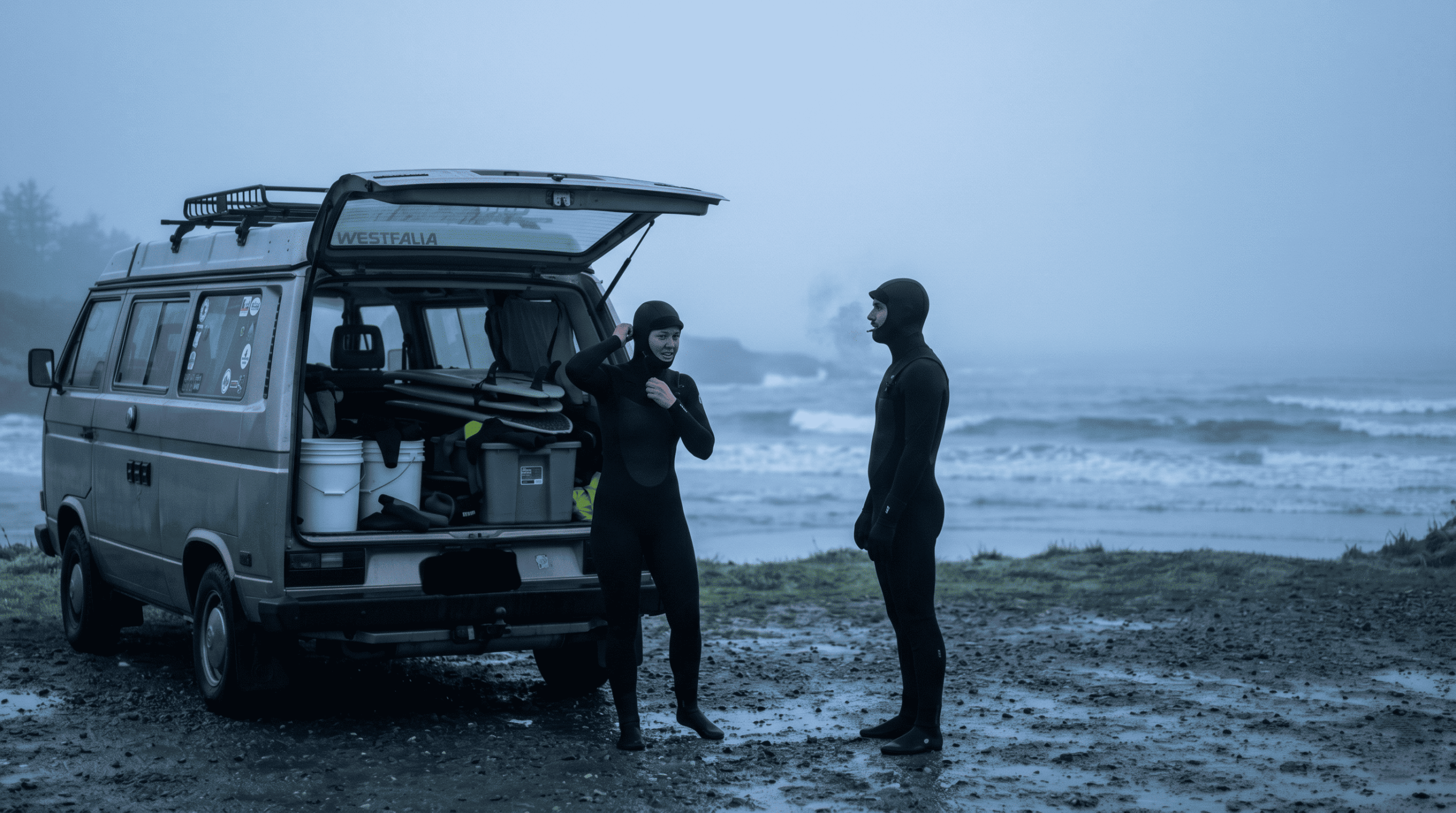
When you’re standing on the sand debating which suit to pull on, consider the “wind chill” factor and the duration of your session. Water conducts heat away from the body 25 times faster than air. If you are sitting still waiting for a set, you will freeze much faster than if you are constantly paddling. I’ve found that a 4/3mm is the “Swiss Army Knife” of wetsuits for most temperate climates.
It provides enough core warmth for chilly mornings but isn’t so thick that you’ll overheat when the sun comes out. However, if you’re diving or surfing in truly sub-polar conditions, don’t skimp. A 6/5mm with an integrated hood is a heavy piece of armor, but it’s the only thing that will keep the “ice cream headache” of a heavy duck-dive at bay.
Wetsuits Thickness Temperature Guide
While everyone’s cold tolerance varies, this table serves as the industry standard for matching neoprene thickness to water temperatures. In my case, I always lean toward a slightly thicker suit if the wind is blowing over 15 knots, as the evaporative cooling on the chest panel can be brutal. If you find yourself surfing in temperatures above 72°F, you might prefer exploring summer surf clothing essentials instead of a full steamer
| Water Temperature (°F) | Water Temperature (°C) | Recommended Thickness | Recommended Style/Accessories |
|---|---|---|---|
| 72°F + | 22°C + | 1mm – 2mm | Shorty or Rash Guard |
| 65°F – 72°F | 18°C – 22°C | 2mm | Spring Suit or Long Jane/John |
| 60°F – 65°F | 15°C – 18°C | 3/2mm | Full Suit (Steamer) |
| 52°F – 60°F | 11°C – 15°C | 4/3mm | Full Suit + Booties |
| 43°F – 52°F | 6°C – 11°C | 5/4mm | Hooded Suit, Booties, Gloves |
| Below 43°F | Below 6°C | 6/5mm+ | Hooded Suit, 7mm Booties, Claw Mitts |
Neoprene Technology: Limestone vs. Petroleum
For decades, the wetsuit industry relied on petroleum-based neoprene, which was functional but environmentally taxing. Today, we are seeing a massive shift toward sustainable materials in surf apparel, such as limestone-based neoprene and plant-based alternatives like Yulex. From a performance standpoint, limestone neoprene is actually superior; it has a higher micro-cell structure, which means it contains more tiny air bubbles. These bubbles act as incredible insulators and make the suit lighter because they don’t absorb as much water. When shopping for your next suit, supporting eco-friendly surf clothing brands is a great way to ensure your gear doesn’t harm the oceans you love.
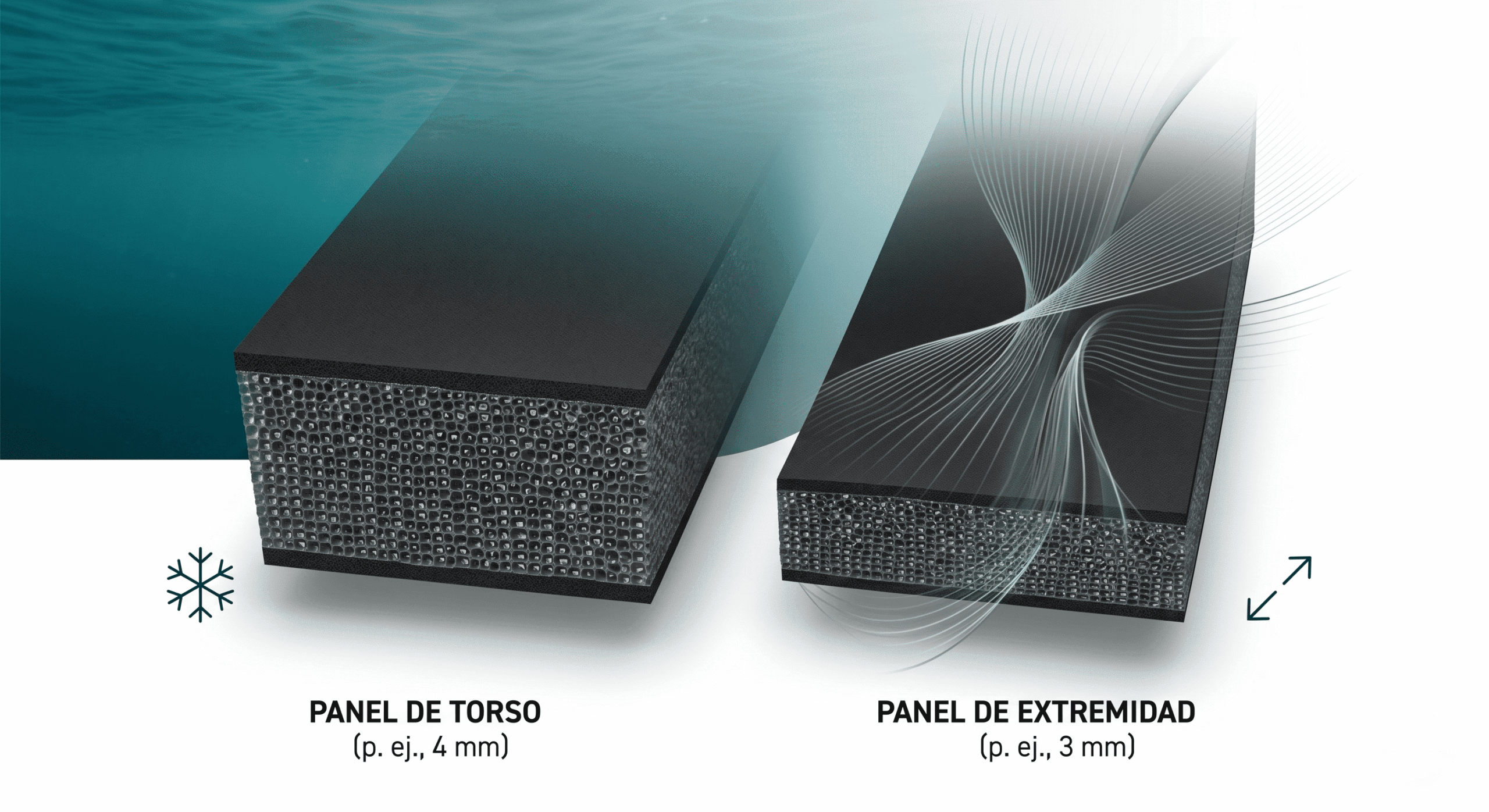
The “stretch” factor is the holy grail of neoprene tech. High-end suits use “super-stretch” materials that can expand to over 200% of their original size. This is vital for the “pop-up” that explosive movement where you go from prone to standing. If your suit is stiff, it’s like trying to do yoga in a suit of armor. You’ll feel a tugging at your shoulders and knees that wears you down faster than the waves do.
Trust me, spending the extra $100 for higher grade, stretchier neoprene is an investment in your stamina. A more flexible suit allows for a deeper, more efficient paddle stroke, which means you’ll catch more waves and stay out longer than the guy in the budget, stiff as a board rubber.
Entry Systems: The Battle of the Zips
How you get into your suit is just as important as how it performs once it’s on. There are three main entry systems, and each has its loyalists. The Back Zip is the classic design. It features a long zipper running down the spine, making it the easiest to get in and out of. However, because the zipper doesn’t stretch, it creates a “dead zone” of flexibility along your back. Furthermore, back zips are notorious for “flushing” that sudden, rude arrival of cold water down your spine when you wipe out. I usually recommend back zips for beginners or those with shoulder mobility issues who struggle with the contortions required for other styles.
The Chest Zip (or Front Zip) has become the industry standard for performance. You enter through a flap at the neck, and the zipper sits across your chest. This leaves the entire back panel as one solid piece of neoprene, allowing for maximum stretch during paddling. It also seals much better against water entry. The first time I tried a chest zip, I spent five minutes trapped like a caterpillar in a cocoon trying to figure out the shoulder flap, but once I was in the water, the difference in warmth was undeniable.
Finally, there is the Zip-Free entry. These are the lightest and most flexible suits available, but be warned: they can be a nightmare to take off when your hands are frozen. I’ve seen grown men nearly reduced to tears in the parking lot trying to peel a zip-free suit over their shoulders. This is exactly where surf ponchos become a session-saver, providing the privacy and warmth needed to struggle out of a tight suit.
Seams and Construction: Keeping the Water Out
The way the panels of your wetsuits are joined together determines how much water stays out and how long the suit will last. The most basic construction is Flatlock Stitching, where the panels overlap and are stitched through. This is durable and comfortable, but the needle holes go all the way through the neoprene, meaning water will seep in. This is perfectly fine for summer suits (2mm and under), but a recipe for disaster in cold water. In my early days, I wore a flatlock suit in 55-degree water, and I could feel every capillary of cold water dancing across my skin. It’s a sensation you don’t forget.
For cold water performance, you want GBS (Glued and Blindstitched) seams. The edges of the panels are glued together and then stitched only halfway through the material, so there are no holes for water to pass through. To take it a step further, look for suits with Internal Taping or Liquid Seals (a rubberized strip on the outside). These seals make the suit almost entirely waterproof and significantly increase the lifespan of the seams. A suit with taped seams feels “tight” and pressurized, like a high-performance diving bell. It keeps that thin layer of water trapped against your skin, where your body heat can warm it up and keep you insulated against the elements.
Finding the Perfect Fit: The “Tear” Test
Fit is everything. You can buy the most expensive, technologically advanced suit in the world, but if it doesn’t fit correctly, it’s useless. A wetsuit should feel like a second skin, uncomfortably tight when dry, but without restricting your breathing or circulation. If there are folds or “pockets” of air under your arms, in the small of your back, or behind your knees, those will fill with water.
This “pooling” creates a massive heat sink that will drain your energy. When I’m trying on a new suit, I always perform the “paddle test”: reach your arms over your head as if you’re digging into a wave. If the suit pulls painfully at the crotch or shoulders, it’s too small. If the neck gapes open, it’s too big.
One insider trick I’ve used for years is the “plastic bag trick.” If you’re struggling to get your feet or hands through the tight cuffs of a high-performance suit, wrap your foot in a plastic grocery bag. It will slide through the neoprene like butter, preventing you from over-stretching or tearing the delicate internal lining.
Also, pay attention to the neck seal. It needs to be snug enough to prevent “flushing” but not so tight that it feels like it’s choking you. Many modern suits use a “glideskin” material on the neck, which creates a suction-like seal against your skin. It can be a bit itchy at first, but it is the gold standard for keeping the Atlantic Ocean from visiting your chest cavity during a heavy set.
How to Make a Suit Last
Wetsuits are a significant investment, and the salt, sun, and sand are their natural enemies. If you just toss your suit into the back of your truck and leave it there for three days, the salt crystals will dry into the neoprene, making it brittle and prone to cracking. Proper maintenance is the only way to protect your investment; check out our full breakdown on how to care for your wetsuit to avoid common mistakes.
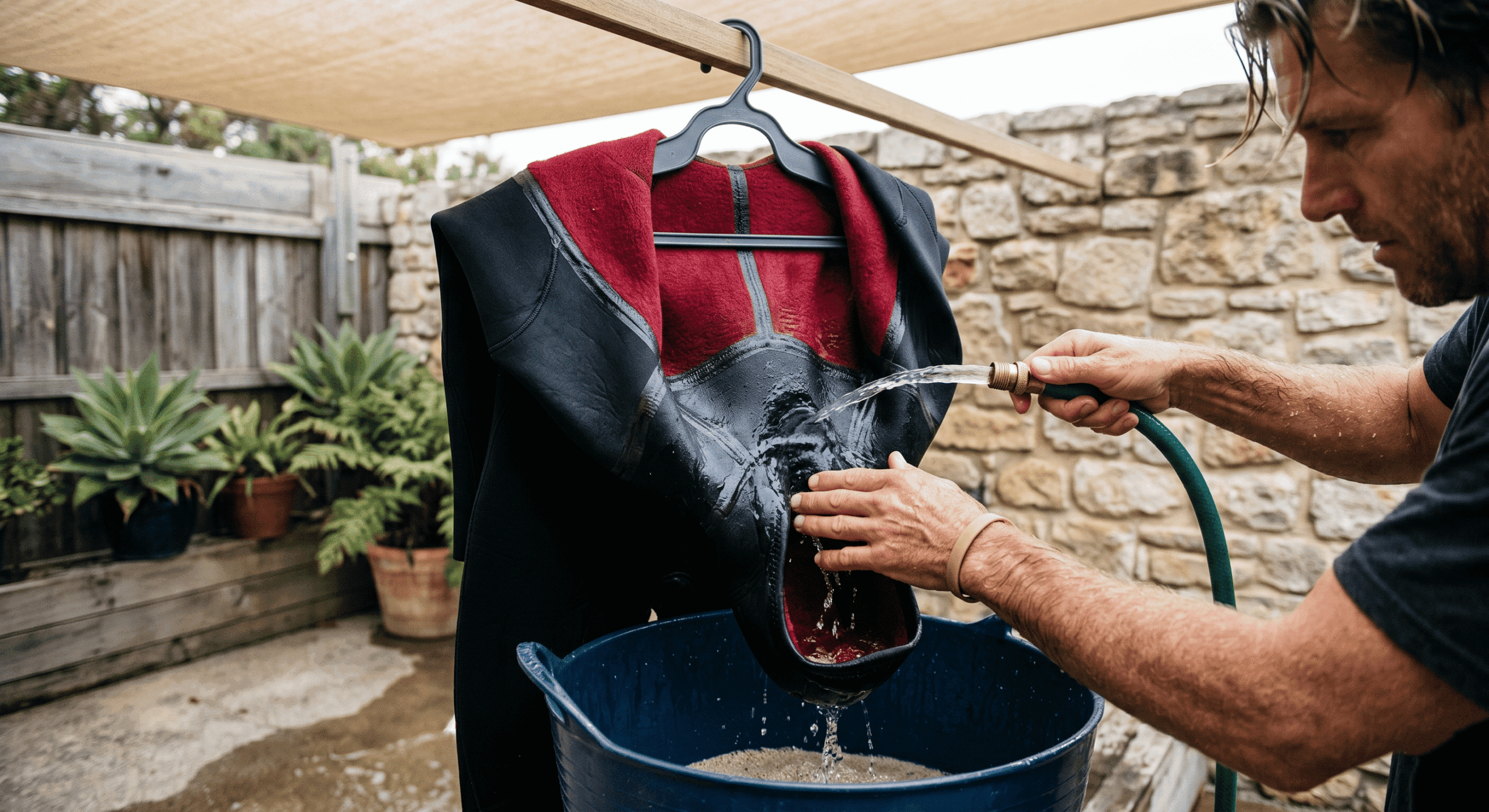
The cardinal rule is: <strong>Always rinse with fresh water.</strong> After every single session, rinse your suit inside and out. To keep your car clean and your suit protected during the drive home, using dedicated waterproof bags for surfers is a smart move. When it comes to drying, never hang your suit by the shoulders on a thin wire hanger. Instead, drape it over the bar of a wide hanger, folded at the waist. Keep it out of direct sunlight, as UV rays turn supple neoprene into crusty rubber.
For those freezing winter parking lot changes, you might wonder: what is a dry robe and do you really need one? For many cold-water surfers, it is the ultimate post-surf luxury to keep your core temperature up. Finally, if you’re taking your gear on the road, don’t forget to pack the right surf accessories for travel to keep your “second skin” safe in transit. If you treat your suit with respect, it will give you three to five good seasons of warmth.
Frequently Asked Questions
Should I pee in my wetsuit?
It’s the age-old question in the lineup. While the immediate warmth is a temporary relief on a freezing day, the urea in urine can actually damage the glue in the seams over time. Plus, if you don’t rinse it properly, your suit will develop a permanent, unpleasant odor. In my case, I try to avoid it, but on a 35-degree day when the sets are non-stop, sometimes nature wins. Just make sure you do a “flush” by pulling the neck of your suit open and letting fresh water in afterward.
How tight should a wetsuit actually be?
It should be “snug” but not “strangle.” You should have full range of motion in your shoulders. If you feel a “pins and needles” sensation in your hands or feet, the cuffs are too tight and are cutting off your circulation. Remember that neoprene expands slightly when it gets wet, so a suit that feels a bit too tight in the dressing room will likely be perfect once you hit the water.
What is the difference between a “steamer” and a “spring suit”?
A “steamer” is a full-length wetsuit with long arms and long legs, designed for cold to temperate water. A “spring suit” (or shorty) has short arms and/or short legs, designed for warmer water where you just need to keep the wind chill off your core and prevent wax rash on your chest. I typically switch to a spring suit once the water hits 68°F (20°C).
Do I really need booties and gloves?
Your extremities are the first things to lose heat. Once your feet go numb, you lose your “feel” for the board, and your surfing will suffer. If the water is below 55°F, booties are a must. Gloves are a bit more subjective; some people hate the loss of paddle feel, but if you can’t move your fingers to grip your rails, your session is over anyway. I recommend “claw” style mitts for maximum warmth in extreme cold.